National Museum of Modern and Contemporary Art, Korea (Gwacheon)
AI, Awakening the Sleeping Art Archive – New Connections and Interpretations | Talk Program
2025
Client National Museum of Modern and Contemporary Art, Korea (Gwacheon)
Project AI, Awakening the Sleeping Art Archive – New Connections and Interpretations | Talk Program

국립현대미술관 과천관
MMCA 과천 상설전 «한국근현대미술 I»
‹AI, 잠들어 있는 아트 아카이브를 깨우다-새로운 연결과 해석› 토크 프로그램
호스트: 이수정 (국립현대미술관 학예연구사)
대담자: 박주용(카이스트 교수 / 한국고등과학원 방문교수), 이미지 (57STUDIO 감독)
2025.09.26

National Museum of Modern and Contemporary Art, Korea (Gwacheon)
MMCA Collection: Korean Modern and Contemporary Art I
Host: Yi Soojung (Curator, National Museum of Modern and Contemporary Art, Korea)
Speakers: Park Juyong (Professor, KAIST / Visiting Professor, Korea Institute for Advanced Study), Lee MeeJee (Director, 57STUDIO)
2025.09.26

크레딧 보기

제작: 미디어스코프

작업 소개

MMCA 과천 상설전 «한국근현대미술 Ⅰ»의 전시와 연계하여 박주용 교수, 이미지 감독과 함께한 ‹AI, 잠들어 있는 아트 아카이브를 깨우다-새로운 연결과 해석› 토크 영상을 공유합니다.

이번 토크에서는 AI가 만들어내는 수많은 ‘연결’ 속에서 ‘의미’를 창조하는 인간의 역할에 대해 함께 논의하고, AI로 인해 허물어지는 경계 앞에서 우리가 지켜야 할 예술의 가치에 대해 고민하는 시간을 가졌습니다.

AI와 예술, 그리고 인간의 창의성에 대해 여러분은 어떻게 생각하시나요?
영상에서 그 답을 함께 찾아보세요.

In connection with the exhibition of the MMCA Gwacheon Permanent Exhibition Korean Modern and Contemporary Art I, we share the talk video ‹AI, Awakening the Sleeping Art Archive – New Connections and Interpretations› with Professor Park Juyong and Director Lee MeeJee.

In this talk, we discussed the role of humans in creating “meaning” amid the countless “connections” generated by AI, and took time to reflect on the value of art that we must uphold in the face of boundaries being dismantled by AI.

What are your thoughts on AI, art, and human creativity?
Find the answer together in the video.

목차

1. AI가 가져온 변화
2. AI가 대체하지 못하는 영역과 대체가 용이한 영역
3. 인간 창의성과 AI – 우아한 연결
4. 문화 예술계에 미칠 영향
5. 예술 영역에서 AI의 가능성과 한계에 대해

Table of Contents

1. Changes Brought by AI
2. Areas AI Cannot Replace and Areas Easily Replaced
3. Human Creativity and AI – An Elegant Connection
4. The Impact on the Cultural and Arts Sector
5. On the Possibilities and Limitations of AI in the Field of Art

1. AI가 가져온 변화

이수정 큐레이터:
이미 알고 오셨겠지만 먼저 두 분에 대해서 간략히 소개해 드리겠습니다.
이미지 감독님은 57스튜디오의 영상감독이시며, 현재 3층에서 열리고 있는 한국근현대미술 1부의 도입부에 있는 영상을 제작하신 감독님이신데요. 국립현대미술관, 서울시립미술관, 백남준아트센터 등 국내 주요 미술기관들과 함께 특히 아카이브와 관련된 프로젝트를 계속해 오셨습니다.

그리고 다음으로 박주용 교수님을 소개해 드리겠습니다. 『미래는 생성되지 않는다』라는 책을 쓰신 작가이면서 문화물리학자이십니다. 서울대학교 물리학과를 졸업하고 미시간대 앤아버에서 통계물리학으로 박사학위를 받으신 후 하버드 의과대학, 노터데임 대학교 연구원, 케임브리지 대학교 방문교수, 카이스트 포스트 AI 연구소 소장을 역임하셨으며, 현재는 카이스트 문화기술대학원에서 인간의 창의성이 만들어가는 과학과 문화의 미래를 연구하고 계십니다.

제가 서점에서 AI와 관련된 책들을 좀 많이 찾아보았는데요. 대부분의 책들이 공통적으로 AI가 세상을 아주 무섭게 빠르게 바꿀 것이다, 라고 얘기를 하는 내용들이어서 보고 있으면서 좀 초조하고 두려운 느낌을 많이 가졌던 것 같아요. 반면 『미래는 생성되지 않는다』는 AI에만 초점을 맞춘 도서가 아니라 과학과 예술 전체를 횡단하면서 인간의 미래를 탐색하는 인문 도서에 가깝다고 생각하였습니다. 저희는 사실 AI에 대해서 무엇을 기대하고 또 무엇을 두려워하고 있을까요? 그리고 이런 AI가 정말 우리의 세상을 극적으로 바꿀까요? 이런 질문으로 먼저 시작해 보려고 합니다.

사실 이 주제는 이미지 감독님이 먼저 저희에게 제안을 주셨던 주제인데요. 또 여러 연구자와 저자를 찾아보셨고, 그중에서 콕 집어서 박주용 교수님과 이야기를 나누고 싶다고 말씀을 주셨어요. 그리고 또 요즘에 아주 많은 AI 관련 세미나를 다 다니셨다고 제가 알고 있습니다. 혹시 그 다니시면서 생각하셨던 것, 어떤 게 좀 있으셨을까요?

이미지 감독:
일단 제가 요즘 AI 세미나를 많이 참석하면서 업계의 전반적인 흐름을 감지해 보고 싶어서 많이 찾아보고 있는데요. 엔터테인먼트, 게임, 영화·영상, 전통문화, 아카이브 이 분야의 AI 세미나들을 다녀왔어요. 보면서 느꼈던 게 각 업계마다 AI를 바라보는 관점이다, 예를 들어 엔터테인먼트 업계는 정말 극강의 효율성, 비용 절감에 초점을 맞춰서 AI를 활용하고 있었습니다. 기회비용 대비 효과적인 결과물을 만들어내는 것이 핵심인 것 같았고요. 전통문화 아카이브 쪽에서는 인간이 물리적인 시간의 한계로 할 수 없는 작업들을 AI로 활용하는 데 굉장히 주목하고 있었습니다. 예를 들어 복원 작업이나 방대한 양의 아카이브를 분류하고 분석하고 통계하는 데 그 분석적인 툴로서 AI를 많이 활용하고 있었습니다. 그리고 영화·영상 분야는 사실 저희가 체감하기 전부터 훨씬 오래전부터 AI에 대한 관심이 있었고, 그걸 업계에서 활용하고 있었습니다. 그래서 시나리오를 구상하는 창작 단계에서부터 후반 포스트 프로덕션, VFX까지 이미 AI 활용 범위가 영화·영상 쪽에서는 너무 넓습니다.

이런 다양한 관점들을 보면서 저는 이제 시각예술 분야에 머물면서 일을 하고 있으니까요. 시각예술 분야에서는 어떤 관점으로 AI를 봐야 할까, 이게 이제 저의 가장 큰 관심사였습니다. 저는 특히 아트 아카이브를 기반으로 미디어 콘텐츠를 만드는 실무자이거든요. 그래서 실무자로서 느끼는 AI는 각 분야의 전문 영역들을 좀 더 가깝게, 그리고 예전 같았으면 엄두도 못 낼 기술들을 살짝 맛보기로 해볼 수가 있습니다. 심지어 그 퀄리티가 점점 좋아지고 있거든요. 저희가 미술대학에서 배우는, 저는 미술대학 출신이어서 미술대학에서 배우는 것들은 기본적으로 사람이 훈련으로 익혀야 되는 기초의 영역이 있습니다. 그런데 그것이 개념미술의 영역인 사고의 영역에서도 훈련받은 어느 정도의 생각의 단계가 있거든요. 그런데 AI는 사람이 훈련으로 익혀 나가야 되는 단계를 스킵해 버리는 느낌이 좀 있었습니다. 물론 그렇게 스킵해서 나온 그 결과물을 저희가 미대를 다니면서 훈련으로 익힌 감각으로 완성해야지 그나마 볼 만합니다. AI에서 나온 출력물을 그대로 사용할 수는, 저는, 없습니다. 그러다 보니까 확실히 아직까지는 그래도 제가 훈련된 감각으로 완성시키는 것은 아직은 있구나라는 소외는 있지만, 예전에 엄두조차 못 낼 영역들, 예를 들자면 저는 3D를 할 줄 모르거든요. 그런데 이제는 이미지를 3D로 바꾸는 게 클릭 두 번이면 되고, 그다음에 건축 도면을 렌더링하는 건 감히 상상도 못 했는데 지금은 건축 도면을 렌더링할 수 있거든요. 그러니까 제가 예전에 전시 아카이브 도록에서 봤던 도면을 한번 돌려봤는데, 옛날에는 사진이 남아 있지 않는데 그 도면을 AI로 돌려보니까 그때는 전시를 이렇게 했겠구나라는 상상을 할 수 있는 거죠.

이런 경험들이 재밌다, 신기하다, 이런 단순한 호기심이었다가 교수님 책을 읽으면서 교수님 책에서 ‘우아한 연결’이라는 단어를 쓰셨는데 저는 이게 너무 확 꽂혔어요. 그리고 또 교수님 책은 다른 AI 책들과 달리, 다른 AI 책들은 기술 중심의 변화를 주로 언급하는데 교수님의 책은 그거를 바라보는, AI 기술의 변화를 바라보는 사람의 관점 중심으로 책을 쓰셨거든요. 그래서 저는 이번 토크 자리를 마련해 주실 때 교수님과 대화를 나눠보고 싶다고 말씀을 드렸습니다.

이수정 큐레이터:
네. 그럼 이어서 교수님께 여쭙겠습니다. 사실 지금 새 정부도 AI 정부, AI에 사활을 걸었다, 이런 얘기를 하고 있고, 사실 저희 미술관을 포함한 많은 정부기관들이 지금 AI와 관련된 뭔가를 해야 한다는 아주 강력한 압박을 받으면서 뭔가 이렇게 정책을 만들어야 된다, 이런 생각을 하고 있는 상황이에요. 그냥 아주 단도직입적으로 여쭤보면 정말 세상이 그렇게 많이 바뀔까요?

박주용 교수:
항상 이렇게 일을 하는 건 사람이었고 사람이 아이디어를 내고 사람이 일을 하기 때문에 우리가 겉으로 보면 사람처럼 말을 하고 그림도 그려내잖아요. 그래서 그걸 보면 정말 혁명적으로 뭐를 할 때가 됐다, 할 수가 있겠다라고 생각을 하는 건 맞는데, 일단 사실은 거기서 우리가 좀 나눠서 봐야 되는 게 이게 정말 사람과 비슷한지, 겉모습 말고 정말 하는 방식이 같은지, 그리고 사람이 하는 것처럼 새로운 걸 만들 수 있는지를 좀 생각해 봐야 되는데 그러기 위해서는 사실은 AI가 어떻게 만들어졌는지 생각을 좀 해봐야 돼요. 거기서 사람과의 차이라든가 비슷한 점, 일단 제가 많은 분들한테 AI가 언제 생긴 거냐고 여쭤보면 많은 분들이 알파고 때라고 생각을 하세요. 10년 전에 만들었다고 생각을 하시고, 여기서는 고개를 끄덕끄덕거리는 걸 보는데 역사를 보면, 역사를 알면 좀 재미있는데 AI에 대한 최초 기록이 나오는 게 한 3천 년 돼요. 그때 우리가 호메로스 아시잖아요. 『일리아스』, 『오디세이아』를 썼던. 거기 이야기를 보면 여행기니까 여행을 다니다가 어느 섬에 내려서 갔는데 신전을 들어갔는데 자기가 손을 누르지 않아도 문이 열리는 걸 봐요. 최초의 자동문에 대한 기록이었죠. 그런데 그때까지는 사람이 눌러야만 문이 열린다고 생각을 하니까 얼마나 놀랍겠어요. 그래서 처음에는 이게 어떻게 가능할까? 그래서 처음에는 호메로스는 이거는 인간의 능력이 아니라 신의 능력이라고 얘기를 해요. 이거는 인간이 가질 수 없는 거라고 하다가 계속 거기를 여행을 구경을 하는데 그리스의 신 중에서도 대장장이 신, 우리로 따지면 기술자이신 분이죠, 신이 신들한테 먹을 것과 음료수를 갖다주는 일을 해야 되는데 그걸 시종을 시키는 게 아니라 바퀴가 달린 접시라는 말이 나오거든요. 거기에 올려놓으면 걔가 가는 거예요. 최초의 자율주행 드론인 거죠. 그래서 그거를 보고, 벌써 3천 년 전인데 그때 이제 호메로스에서 이런 얘기를 해요. 지금은 우리가 인간이 저 정도의 지식과 기술이 없어서 못 만들지만 앞으로 시대가 지나면 우리도 저거를 만들 수 있겠다라고 하면서 그때 이제 사람이 신이 되는 순간이다라는 얘기를 해요. 3천 년 전이고, 지금 생각해 보면 사실 그렇게 자동으로 움직이는 기계를 보면서 우리가 신의 경지에 다다랐구나라고 얘기하는 원리를 아실 수 있겠죠.

그런데 그건 신화 속의 얘기고, 그 이후에 수백 년, 수천 년의 역사를 거쳐서 재미있는 이야기들이 있는데 우리가 여기서 좀 집중해서 봐야 되는 게 1800년대 중반에 요제프 파버라는 사람이 만든 오토마톤의 이야기예요. 유럽은 땅이 넓고 마을이 듬성듬성 있어서 사람들이 짐을 싸서 여기저기 가서 박람회를 하는 문화가 있었거든요. 거기서 누가 어떤 기계를 만드냐면 그때 사람들의 성대에 대한 해부학적 지식이 있어서 가죽하고 나무로 인공 성대를 만든 다음에 그거를 뒤에 파이프 오르간에 연결을 해서 누르면 성대가 움직이면서, 당연히 사람 성대를 닮았으니까 사람 목소리를 내요. 사람들이 그걸 보고 나서 꽤 그럴듯한 사람 목소리를 내니까 이제 무슨 얘기를 하냐면, 이제 로봇이 또 오토마톤이 노래까지 하니까 인간 가수는 할 일이 없구나라고 얘기를 하는 게 1840년이에요. 지금도 똑같은 얘기를 하고 있죠. 200년 전부터 그 얘기를 했는데 지금까지 대체는 안 됐거든요.

여기서 하나는 어떤 기술이 나왔을 때 사람이 하는 일이 완전히 바뀌거나 대체되거나 하는 것에 대해서 우리가 조심해야 된다는 말씀을 드리는 거고요. 그리고 나서 현대의 인공지능은 사실은 컴퓨터의 등장과 함께 벌어지는데 처음에는 사람이 컴퓨터한테 말을 시키게 한다거나 그림을 보고서 이게 사과다, 바나나다를 가리키게 하는 게 너무너무 어려웠어요. 지금은 너무 잘하죠.

그 사이에 어떤 일을 했냐면 처음에 사람의 성대처럼 인공 성대를 만들어서 목소리를 따라 하듯이 사람의 두뇌의 작동 방식인 인공신경망이라는 걸 만들어요. 그래서 길다란 세포에 전기 신호가 들어가면 그것들이 전달이 되면서 뇌까지 오는 걸 실제로 구리선으로 만든 다음에 지금 우리가 잘 아는 GPU라는 걸 이용해서 만들고 나서, 그리고 나서 이걸 학습을 시켰더니 이제는 처음에 하지 못했던 그림 알아보기, 그다음에 말까지 하는 것까지 가능하게 만들었죠.

그런데 이제 이미지 감독님께서 말씀하신 것과 비슷하게 그런 기능을 갖게 되는 게 사람은 태어나서 스스로 성장하면서 경험을 통해 만들어지거든요. 그런데 이거는 그게 아니라 사람들이 무수히, 누가 만들었는지도 모르고 인터넷에서 왕창 긁어온 데이터를 가지고 이거는 사과다라고 계속 가르치면서 그거를 천장, 만장 가르치고 나중에 사과라고 할 때까지 가르치는데 사실은 사람은 그렇게 하진 않잖아요. 우리가 아이들한테 사과를 가르칠 때 사진을 만 개를 놓고서 그냥 사과라고 대답할 때까지 가르치지 않듯이 사실은 결과적으로 보면 이거를 보고 이게 사과다라고 말하는 것 같지만 그때까지 가는 그 경로가 다른 거예요.

그래서 사실은 지금 생각해 보면 어떤 일이 벌어지냐면 명확하게 답이 있는 것, ‘이것은 사과다’ 분야에서는 잘하는 경우가 많아요. 대표적으로 바둑이었죠. 바둑도 사실 처음에는 컴퓨터가 못한다고 하다가 한 번 하고 나니까 지금 이해되는 건 바둑은 어차피 이기고 지는 게 명확하거든요. 그렇다면 이기는 것을 옳다고 가져가 있을 때 옳은 길로 가는 것만 할 때는 돼요.

그런데 반대로 아직은 창작의 영역, 예를 들어서 우리가 그림을 그린다든지 글을 쓴다든지 할 때 이것이 정말 아름다운가, 인간의 경험을 반영하는 창작적인가 할 때는 사실은 바둑처럼 이기고 지는 게 명확하지 않다 보니까 아직은 충분히 살았을 만큼 창의적이고 사람이 감동할 수 있는 글을 못 쓰고 있다고 하는 게 일반적인 얘기죠.

그것도 생각해 보면 너무 당연할 수도 있는 게 우리가 말을 한다고 할 때 우리는 사실 어릴 때부터 말을 시작하면서 자기 세상을 이해해 나가잖아요. 그러면서 경험이 쌓이면서 그 얘기를 쓰다 보면 문학 작품이 되기도 하고 그런데 LLM은 그런 과정을 거치지 않아요. 챗GPT 같은 LLM은 어떻게 하냐면 데이터가 마찬가지로 아까 사과 그림은 만 개, 십만 개를 가르치듯이 그냥 텍스트를 계속 넣었는데 어떻게 하냐면 문장의 조합보다는 어떤 단어들, 그 문장을 단어로 쪼갭니다. 이걸 토큰이라고 하는데 그래서 그냥 이 단어는 다른 단어와 얼마나 자주 나오고 자주 나오지 않는지 숫자만 갖고 있어요. 그래서 우리가 한 문장을 주면 그냥 그거랑 많이 엮인 걸 잡아서 연결을 해주는 거예요.

그런데 그렇다 하면 문제가 뭐냐면 우리는 비록 어떤 두 단어가 같이 어느 정도 나오는지도 알고 있지만 우리가 말을 할 때는 우리의 경험을 싣기도 하고 진심을 싣기도 하고 또는 이것이 참인지 거짓인지 이야기하면서 판단을 하잖아요. 그래서 우리가 웬만하면 거짓말을 하기 싫으니까 가능한 조합 중에서도 참인 것만 고르기도 하고 또 거짓말을 할 때도 의도가 있잖아요. 이건 왜 거짓말을 하는지. 그런데 LLM은 그런 것이 없이 그냥 참이든 거짓이든 확률적으로 가능하면 계속 말을 하는 거예요.

그렇다면 사람이 보기에는 문법적으로는 맞아요. 그러니까 이게 말을 하니까 우리를 대체한다고 생각을 하지만 생각해 보면 우리는 사람은 말을 할 때도 정말 우리의 감정을 싣기도 하고 진실을 얘기하려고 하기도 하고, 그런데 컴퓨터는 그런 게 없죠. 그래서 사실은 지금 좀 더 우리가 잘 생각해 봐야 되는 게 가면 갈수록 사람이 하는 겉모습의 기능은 잘 따라가고 있지만 그 속의 본질은 여전히 다르기 때문에 그냥 그 모습만 보고서 AI가 바로 우리의 삶을 대체하고 크게 변혁시킬 거라든가 사람을 대체할 거라는 측면에서는 아주 조심스러워야 되는 그런 단계이기는 해요. 아직도.

1. Changes Brought by AI

Curator Yi Soojung:
As you may already know, I will first briefly introduce our two speakers.

Director Lee MeeJee is the film director of 57STUDIO and the director who produced the introductory video for Korean Modern and Contemporary Art I, currently on view on the third floor. She has continued to work on archive-related projects in collaboration with major art institutions in Korea, including the National Museum of Modern and Contemporary Art, the Seoul Museum of Art, and the Nam June Paik Art Center.

Next, I would like to introduce Professor Park Juyong. He is the author of The Future Is Not Generated and a cultural physicist. After graduating from the Department of Physics at Seoul National University and receiving his Ph.D. in statistical physics from the University of Michigan, Ann Arbor, he served as a researcher at Harvard Medical School and the University of Notre Dame, a visiting professor at the University of Cambridge, and the director of the Post-AI Research Institute at KAIST. He is currently researching the future of science and culture shaped by human creativity at the Graduate School of Culture Technology at KAIST.

I searched for many books related to AI at bookstores. Most of them commonly state that AI will change the world rapidly and in a frightening way, and while reading them I felt a great deal of anxiety and fear. In contrast, The Future Is Not Generated does not focus solely on AI; rather, it traverses science and art as a whole and explores the future of humanity from a humanities perspective. What are we actually expecting from AI, and what are we afraid of? And will AI truly change our world dramatically? I would like to begin with these questions.

In fact, this topic was first proposed to us by Director Lee MeeJee. She looked into various researchers and authors and specifically expressed her wish to speak with Professor Park Juyong. I also understand that she has recently attended many AI-related seminars. Is there anything in particular you reflected on while attending those seminars?

Director Lee MeeJee:
Recently, I have been attending many AI seminars because I wanted to sense the overall direction of the industry. I attended seminars in entertainment, gaming, film and video, traditional culture, and archives. What I felt was that each industry has its own perspective on AI. For example, in the entertainment industry, AI is used with an intense focus on efficiency and cost reduction. Producing effective results relative to opportunity cost seemed to be the key.

In the field of traditional culture and archives, there was significant attention on using AI for tasks that humans cannot accomplish due to physical time limitations—for example, restoration work and the classification, analysis, and statistical processing of vast amounts of archival material. In film and video, interest in AI had already existed long before we began to tangibly feel it. From the creative stage of developing scenarios to post-production and VFX, the scope of AI utilization in film and video is already very broad.

Observing these diverse perspectives, and since I work within the field of visual art, my main question became how AI should be viewed from within that field. I am particularly a practitioner who creates media content based on art archives. From a practical standpoint, AI allows me to approach specialized domains more closely and to try technologies I would not have dared to attempt before. The quality is even continuously improving.

What we learn in art school—since I come from an art school background—includes foundational areas that must be acquired through training. Even in the conceptual domain, there are stages of thinking that require training. AI, however, seems to skip stages that humans must acquire through practice. Of course, the results produced through that shortcut still need to be completed with the trained sensibility we developed in art school in order to be presentable. I personally cannot use AI outputs as they are.

Still, there are areas I would never have dared to attempt before. For example, I do not know how to work in 3D, yet now converting an image into 3D can be done with two clicks. Rendering architectural drawings was something I could not have imagined, but now it is possible. I once tried rendering an exhibition floor plan I had seen in an archive catalogue. There were no surviving photographs, but by processing the drawing through AI, I could imagine how the exhibition might have been installed at the time.

At first, these experiences were simply interesting and fascinating out of curiosity. But when I read Professor Park’s book and encountered the phrase “an elegant connection,” it resonated deeply with me. Unlike many other AI books that focus primarily on technological change, Professor Park’s book centers on the human perspective that observes those changes. For that reason, when this talk was being organized, I expressed my wish to have a conversation with him.

Curator Yi Soojung:
Then I would like to ask Professor Park. The new government speaks of becoming an AI government and staking everything on AI. Many public institutions, including our museum, feel strong pressure to engage with AI and to establish policies around it. To ask directly: will the world truly change that much?

Professor Park Juyong:
It has always been people who do the work—people generate ideas and carry out tasks. When we look at AI on the surface, it speaks like a person and produces images. It is understandable to think that a revolutionary shift is occurring.

However, we need to consider whether it truly operates in the same way as humans, beyond outward resemblance. Can it create something new in the way humans do? To address this, we must consider how AI was made.

When I ask when AI first appeared, many say it was around AlphaGo, about ten years ago. But if we look at history, references to AI-like ideas date back about three thousand years. In Homer’s Iliad and Odyssey, there is a description of doors that open automatically without being pushed—the first recorded automatic door. Homer initially describes such mechanisms as divine rather than human capabilities. He also describes wheeled trays that move on their own—essentially an early vision of autonomous machines. Even then, there was speculation that humans might one day achieve such technology.

That is myth. In the nineteenth century, Joseph Faber created an automaton with an artificial larynx that produced human-like speech. In 1840, people declared that human singers would become obsolete. Yet two hundred years later, that has not occurred. This reminds us to be cautious when predicting total replacement.

Modern AI emerged alongside computers. Initially, it was extremely difficult to make a computer recognize an apple or understand speech. Artificial neural networks were developed, modeled after the brain’s structure. With training on massive datasets, image recognition and speech generation became possible.

However, the path differs from human development. Humans grow through lived experience. AI is trained on enormous quantities of scraped data, repeatedly labeled until it produces correct outputs. Although the result may appear similar—identifying an apple—the path is fundamentally different.

AI performs well in domains with clear answers, such as board games where winning and losing are explicit. But in creative domains—writing, painting—there are no clear criteria of victory. It is generally recognized that AI has not yet reached the depth of lived experience necessary to produce writing that truly moves people.

When humans speak, we embed experience, intention, and judgments about truth. Large language models, by contrast, break sentences into tokens and statistically predict likely combinations. They generate text based on probability, regardless of truth or intention.

Thus, although AI increasingly replicates the outward functions of human activity, its underlying essence remains different. For that reason, we must be cautious about assuming that AI will immediately replace human life or radically transform it. Even now, we remain in a stage that requires careful consideration.


2. AI가 대체하지 못하는 영역과 대체가 용이한 영역

이수정 큐레이터:
네. 그러면 AI가 대체하지 못하는 영역에 대해서 지금 간단하게 말씀을 해주시긴 하셨는데, AI가 앞으로 대체할 수 있는 영역 또는 대체를 못 할 영역, 그걸 좀 구분해서 좀 더 자세하게 말씀을 해주시면 어떨까요?

박주용 교수:
네. 여러분들이 많이 관심이 있죠. AI가 할 테니까 나중에 우린 뭘 해서 먹고 살아야 되나. 그런데 아까 제가 180년 전에 가수에 대해서 말씀드렸잖아요. 그게 무슨 걸 가르치냐면 우리가 어떤 걸 봤을 때 이거 하나 때문에 세상은 이렇게 바뀔 거다라고 바로 얘기하는 걸 정말 조심해야 돼요.

그래서 사실은 AI가 대체한다, 하지 않는다라는 부분에 대해서 좀 정확한 질문이 뭔지 알아봐야 되는 게 일단 새로운 기술이 나왔으니 어떤 직업은 대체될 수도 있겠죠. 자동차가 일반화되면서 마부들이 사라졌듯이 그 정도가 있는데 사실은 잘 보시면 한 몇 년 전부터 어쨌든 신문을 보면 AI가 대체한다, 안 한다라는 얘기가 계속 나오거든요. 그런데 한 3, 4년 전 기사랑 지금 비교하시면 그때 그렇게 자신 있게 말했던 이런 직업이 없어진다고 했던 순서랑 지금 순서랑 되게 달라요. 3, 4년 전에도 자신 있게 말했던 기자들도 잘 모르고 한 얘기예요.

한 가지 예를 좀 드릴게요. 한 3, 4년 전에 제가 개인적으로 아는 일이지만 한국의 법조타운 서초동에 정말 AI 공포가 불어 닥쳤어요. 왜냐하면 신문에서 바로 그냥 판사, 변호사, 검사가 바로 없어진다는 거예요. 컴퓨터가 다 할 거니까. 그다음에 두 번째는 사람들이 걔들 알고 보면 다 그냥 돈 많은 사람, 힘 있는 사람만 해주는 것 같고 컴퓨터로 하면 훨씬 더 공평해질 거다라고 얘기를 했는데 1년도 지나지 않아서 그게 사라졌습니다. 그게 왜냐하면 사람들이 알고 보니까 이게 법이라고 하는 그 분야들도 그냥 글만 보고서 이걸 유창하게 해석하는 그런 AI로 하는 게 아니라 그 사람들이 겪고 있는 상황이라든가 그 사람이 원하는 건 무엇인가를 찾아가는 일이었거든요. 그러다 보니까 그냥 학습만 해가지고 시험만 잘 본다고 되는 게 아니라 사람을 이해한다는 게 중요해지는 거죠. 그래서 마찬가지로 그냥 우리가 지금의 AI에 대한 본질도 아직 잘 모르고 확실히 모르는 상황에서 그냥 대체한다고 말을 하는 것은 틀릴 가능성이 좀 많이 있죠.

이수정 큐레이터:
주변에 워낙 아이들도 “이거는 영어 공부 하기 싫어. 왜냐하면 AI가 해줄 거니까.”라든가 이런 얘기들을 농담 반, 사실 약간 두려움 반 섞어서 많이 얘기를 하고 있는 것 같아요. 저희도 이제 미술관에서 큐레이팅하는 작업에 대해서 이것도 데이터의 문제가 중요하다면 AI가 더 잘할 수 있지 않을까, 이런 얘기들을 농담처럼 했었거든요.

그리고 교수님 책에서 창의성에 대해서 얘기를 되게 많이 해주셨던 것 같아요. 많은 장에서 창의성에 대해서 얘기를 하는데 『미래는 생성되지 않는다』라는 책에서 창의성에 대한 이야기, 특히 창의성에 대한 과학적 정리도 말씀을 하셨고 예도 많이 드셨는데 이 부분에 대해서 조금 설명해 주시면 좋을 것 같습니다.

박주용 교수:
예를 들어 창의성에 대해서 말씀드리기 전에 아까 좀 전에 데이터를 학습을 하는 게 AI라고 했잖아요. 그런데 이거를 생각해 보시면 우리가 이제 여기서 그래도 미술관을 찾아오신 분들이니까 새로운 그림을 보는 걸 좋아하시고 새로운 글을 보시기를 좋아하실 것 같아요. 그런데 이제 글을 쓰는 사람의 창작하는 입장에서는 자기가 배운 거를 모아서 흔들어가지고 딱 평균을 내는 건 아니거든요. 자기가 배운 걸 가지고 남들이 보지 못했던 거를 만드는 것, 생각해보면 AI가 소위 창작이라고 하는 거, 말을 유창하게 줄줄하는 거랑은 사실 사람이 만드는 거랑은 큰 차이가 있어요.

일단 첫 번째, 창의적이라는 걸 한다는 것은 일단은 새로워야 되겠죠. 사실 이 부분에서도 컴퓨터와 사람이 아직 큰 차이가 있는데요. 컴퓨터는 기존 데이터를 학습만 해서 그걸 평균을 내는 거라면 사람은 일단 남들이 지금까지 보지 못했던 걸 만드는 것, 그거를 아주 큰 가치라고 생각을 해요. 창의적이려면 남들이 보지 못했던 것, 아직 보지 못했던 걸 만드는 건 창의력이 있고요.

그다음에 두 번째는 우리가 창의성을 발휘한다고 할 때 그냥 제가 이 분야를 전혀 모른 상태에서 남들이 보지 못한 그냥 아무거나 조합해서 내면 사람들이 창의적이라고 해주지 않죠. “이게 뭐야?”라고 얘기를 하겠죠. 뭐냐면 새로우면서도 사람들이 공감할 수 있는 것을 찾아야 된다는 거예요. 생각해보면 이게 쉽지 않은 일이에요. 남들하고 다르기는 쉬운데 하지만 너무 달라도 안 되고 사람들이 이해할 수 있는 것, 이제 이것이 어디에서 나오는가에 대한 질문들이 항상 많이 있었는데 이거를 제가 좋아하는 스티브 잡스라는 애플의 창업자가 정말 재미있게 표현을 했어요. 창의적인 거라고 하는 것은 사람의 경험에서 나온다라는 말을 하는데 이게 되게 재밌는 이야기이긴 하거든요. 그러면 사람의 경험이라고 하는 것은 결국에는 누군가는 경험한 게 아니냐라고 얘기하는데 이런 얘기래요. 그래서 사실은 그게 맞다. 애플이라는 창의적인 회사를 꾸리면서 많은 창의적인 사람들을 만나봤는데 “너는 어떻게 이렇게 창의적이냐?” 해서 물어보면 그 사람들은 살짝 부끄러워한대요. 왜냐하면 그 사람들은 자기 경험을 표현한 것이었거든요. 그런데 그것이 새로울 수 있는 이유는 사람마다 경험이 그렇게 다양하다는 거예요. 우리가 지금까지 지구에서 한 200억 명의 사람들이 살아왔던 적은 없지만 사람들이 생각해보면 그 많은 사람들 중에도 어느 하나 똑같은 경험을 하는 사람이 없어요. 그러니까 내가 하는 경험이라는 것은 사람에게 있을 수 있는 일이면서도 남들에게는 새로운 거거든요. 그래서 창의적인 일을 한다는 사람들은 자기의 경험을 잘 기억하고 많은 경험을 한 사람이라는 이야기를 해요. 그래야만 새로우면서도 다른 사람들이 보고서 “있을 법하다, 나에게 도움이 될 법하다, 이건 정말 재미있는 일일 수 있겠다.”라고 이해를 할 수 있는 거거든요.

이 부분이 컴퓨터에게는 없는 게 뭐냐면 하나는 그냥 데이터만 수집을 한다고 했잖아요. 그건 사실은 자기만의 경험이 아니라 다른 사람들의 경험을 그냥 모아서 풀어내는 거에 불과한 거예요. 새롭지 않고.

두 번째는 자기가 경험을 하는 것이 아니기 때문에 그냥 남들이 넣었던 데이터에 대해서 어떤 게 더 좋고 어떤 게 더 인간답고 하는 걸 모른 채 그냥 평균만 내는 거거든요. 그렇다면 우리가 항상 컴퓨터가 한 창작을 보고서 느끼는 게 뭔가 그럴듯한데, 왜냐하면 다른 사람을 따라 하니까, 뭔가 새롭거나 좀 인간적인 것이 없다는 얘기를 하잖아요. 바로 거기에서 그런 게 나오는 거예요.

2. Areas AI Cannot Replace and Areas Easily Replaced

Curator Yi Soojung:
You have briefly mentioned areas that AI cannot replace. Could you distinguish more clearly between areas AI may replace in the future and those it may not, and elaborate further?

Professor Park Juyong:
This is a question many people are concerned about. If AI does the work, how will we make a living? But as I mentioned earlier with the example of singers 180 years ago, we must be very cautious about concluding that the world will change entirely because of a single development.

When discussing whether AI will replace something, we must first clarify the question. When a new technology emerges, certain professions may indeed disappear—just as coachmen largely vanished when automobiles became widespread. However, if you compare news articles from three or four years ago with those of today, you will notice that the professions confidently predicted to disappear then are not the same as those predicted now. Even journalists who made confident claims did not truly know.

Let me give an example. Three or four years ago, there was real fear in Seocho-dong, Korea’s legal district. Newspapers claimed that judges, prosecutors, and lawyers would soon disappear because computers would handle everything. Some even argued that since the legal system seemed to favor the wealthy and powerful, AI might make it more equitable. Yet within a year, that fear subsided. People realized that legal work is not simply about fluently interpreting text. It involves understanding circumstances and discerning what a person truly seeks. It is not enough to be trained and perform well on exams; understanding people is essential.

Likewise, since we do not yet fully understand the nature of current AI, confidently declaring replacement is highly likely to be mistaken.

Curator Yi Soojung:
Even children around us joke, half seriously and half anxiously, that they do not need to study English because AI will handle it. We ourselves have joked that if curating is largely about data, perhaps AI could do it better.

In your book, you discuss creativity extensively. You provide scientific explanations and many examples. Could you elaborate further on creativity as presented in The Future Is Not Generated?

Professor Park Juyong:
Before discussing creativity directly, let me return to the idea that AI learns by processing data. Those who visit museums likely enjoy seeing new paintings and reading new texts. But from the perspective of a creator, creation is not about shaking together everything one has learned and producing an average result. It is about making something others have not seen.

There is a significant difference between what AI produces and what humans create.

First, creativity requires novelty. Here, there remains a clear difference between computers and humans. If a computer simply learns from existing data and averages it, that is different from creating something no one has previously seen. For humans, producing what has not yet been seen is central to creativity.

Second, novelty alone is not sufficient. If I, without knowledge of a field, arbitrarily combine elements that no one has seen before, people will not consider it creative. They will simply ask, “What is this?” Creativity requires something new that others can still relate to. It must be new yet resonant.

Where does that come from? Steve Jobs once said that creativity comes from human experience. At first glance, one might say that experience is not entirely new—someone has lived it before. But the point is that each individual’s experience is unique. Although billions of people have lived, no two have had identical experiences. What I experience is something possible for humans, yet new to others.

Creative individuals are often those who remember their experiences well and have accumulated many of them. Only then can they produce something that is both new and understandable—something others can perceive as plausible, useful, or meaningful.

This is precisely what computers lack. They collect data, but that is not personal experience. It is merely the aggregation of others’ experiences. Moreover, since they do not live through experience themselves, they cannot discern what is more meaningful or more human. They calculate averages.

That is why, when we encounter AI-generated creative outputs, we often feel that they are plausible—because they resemble what others have done—but lack something genuinely new or deeply human. That is where the difference emerges.

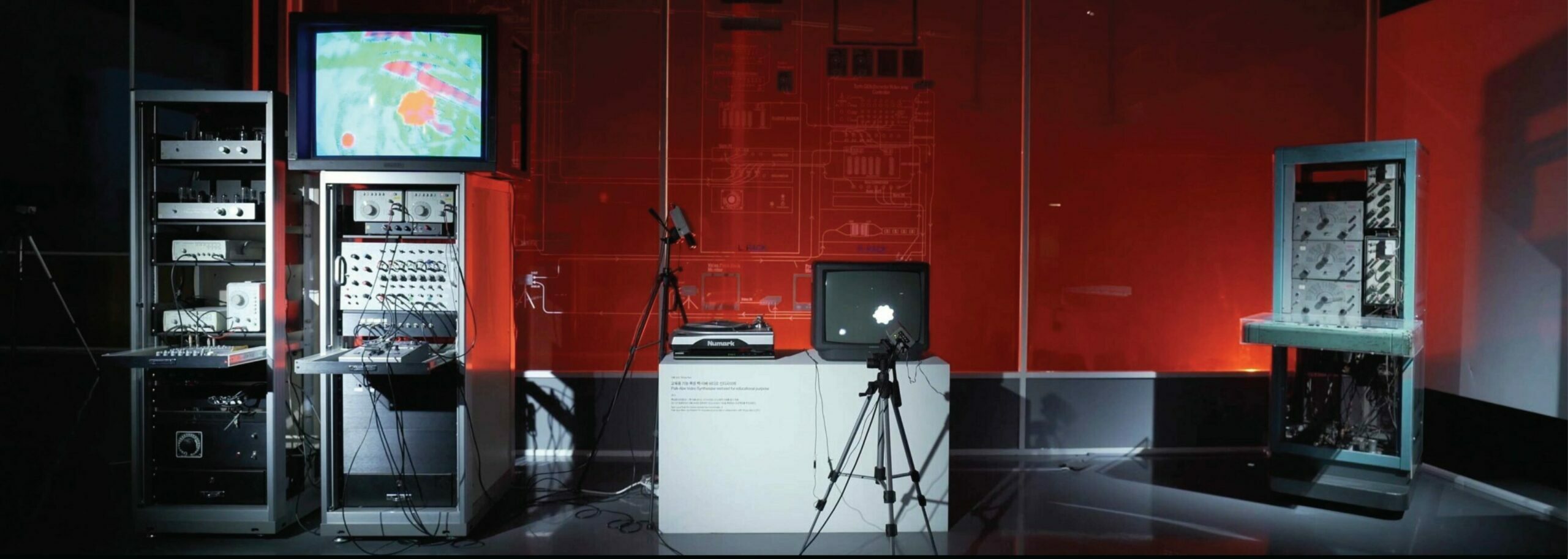
백남준 아트센터 소장품 하이라이트 〈백-아베 비디오 신디사이저> 캡처이미지

3. 인간 창의성과 AI – 우아한 연결

이수정 큐레이터:
네, 되게 속속 이해가 되는 설명이었던 것 같아요. 창의성에 대해서 그러면 이어서 이미지 감독님은 현장에서 창작자로서 작업을 하시면서 체감하는 부분이 많으실 것 같은데, AI를 적용하는 지금의 상황에서 경험하신 부분 중 긍정적으로 보신 부분과 좀 우려되는 지점, 창작자 입장에서 이야기를 좀 들려주시면 좋겠습니다.

이미지 감독:
저는 체감하는 바는 앞서 말씀드린 것처럼 특정 기술 분야를 맛보게 할 수 있다는 게 지금은 가장 체감도가 높은 부분이고요. 아마 이거는 제가 미디어를 다루기 때문에 그런 것 같습니다. 그러다 보니까 프로그램의 사용 범위가 타 장르에 비해서 좀 넓은 편이거든요. 그런 개인적인 경험이 좀 크게 작용한 것 같긴 해서 너무 협소한 소회일 수도 있지만요. 그래서 그러다 보니까 이런 경험의 긍정, 부정의 판단보다는 제가 이걸 어떻게 바라볼 것인가에 대한 관점에 더 관심을 기울이고 있어요.

AI를 사용하면서 제가 너무 신기하네 했던 것 중 하나가 구조가 백남준의 백-아베 신디사이저랑 너무 유사하다고 느꼈었어요. 제가 이제 2023년 여기 과천관에서 《다다익선: 즐거운 협연》 전시에 작가로 참여를 하면서 그때 백남준 아카이브를 굉장히 심도 있게 볼 기회가 있었거든요.

그중에서도 1969년 이 시기가 재밌는데요. 1969년에 두 대의 비디오 신디사이저가 개발됩니다. 하나는 백남준의 백-아베 신디사이저고, 하나는 스티븐 백의 비디오 신디사이저입니다. 여담으로 1969년에는 인류가 달 착륙을 했고요. 베트남 전쟁에 대한 반대 여론이 거세지면서 히피 문화와 반전 운동이 있던 시기입니다. 지금 2025년의 격변과 혼돈이 그 당시에도 휘몰아쳤을 거라고 어렴풋이 예상이 되죠. 저는 예술은 시대를 반영한다고 생각을 하거든요. 그래서 그런지 지금 우리가 이렇게 AI에 대해서 얘기하는 것도 어떻게 보면 예술사 흐름에서는 큰 순환의 한 부분이라고 생각을 합니다.

일단 왜 그렇게 느꼈느냐, AI를 왜 백-아베 신디사이저와 유사하게 느꼈느냐를 좀 설명드리고 싶은데요. AI는 기본적으로 제가 사용한 AI에서요, 여러 AI가 있는데 제가 사용한 AI에서는 프롬프트를 입력하고 제너레이터라는 생성 단계를 거쳐서 출력을 합니다. 그런데 초창기 AI는 프롬프트를 입력하면 생성되는 단계에 인간이 개입할 수 없고 출력이 될 때까지 기다려야 했었어요. 그래서 예를 들어서 ‘접시 위에 사과’라는 입력어를 넣고 ‘AR, 그게 16대 9 비율로 만들어져’라는 뜻이면 저렇게 4개의 사과 이미지를 생성하는 것이지요. 그래서 제너레이트 단계가 1단계였습니다.

그런데 지금은요, 사용자의 입력 단계가 굉장히 분할됐어요. 세부적으로 지금 상세화되었고 그다음에 사용자가 다양하게 개입을 하면서 원하는 표현을 구체적으로 좀 더 적용할 수 있게 되었어요. 예를 들자면 지금 저 사진 공간에 저 여자가 핸드폰을 들고 있는 장면을 만들어줘, 그러면 저렇게 오른쪽으로 만드는 겁니다. 나노바나나라고, 여기서 홍보할 생각은 없지만 요즘 업계에서 나노바나나가 너무 혁신이어서요.

그런데 이걸 보면서 제가 느꼈던 게 스티븐 백의 비디오 신디사이저는 카메라 없이 순수하게 전자기적 신호로만 구성이 됩니다. 그런데 백남준의 신디사이저는 외부 카메라의 입력이 반드시 필요하고 현실 세계 이미지를 촬영해서 그 신호를 받아서 변형하고 가공하는 방식으로 작동합니다. 그래서 저는 스티븐 백의 신디사이저는 아무것도 없는 순수한 전자 이미지 자체가 데이터를 활용해서 또 다른 이미지를 만들어낸다면, 백-아베 신디사이저는 존재하는 현실을 왜곡하고 재조합함으로써 새로운 의미를 유추할 수 있게 만들어내는 또 다른 이미지를 만들어내는 거죠.

그래서 저는 초창기 AI는 스티븐 백 같고, 지금 AI는 백남준 같다. 그런데 저희는 어떤 창의적인 도구로서는 백남준을 더 많이 언급을 하거든요. 백-아베 신디사이저를. 그러니까 역사적으로 봤을 때도 이런 매칭이 좀 재밌다라는 생각이 들고, 제가 아카이브를 좋아하는 이유이기도 합니다.

이런 부분에서 백남준 선생님은 정말 예언 같은, 정말 현인적인 글을 너무 많이 남기셨는데요. 이런 말씀을 남기셨어요. ‘예술과 기술에서 중요한 것은 기술을 인간적으로 만드는 일이다.’ 저는 이걸 너무 깊은 통찰이라고 느끼고요. 이거를 60년대에 말씀하셨다는 게 너무 대단하다고 사실 생각을 합니다. 그래서 저에게 만약에 AI가 인간의 창작을 대신할 수 있을까라고 묻는다면 저는 인간이 그렇게 두지 않을 거다라고 대답을 하거든요. 사람이 그렇게 두지 않을 것 같고, AI가 사람과 함께 창작을 수행하는 파트너로서, 그리고 유용한 창작 도구로서는 어마어마하게 발전할 것 같다라고 저는 생각을 합니다.

3. Human Creativity and AI – An Elegant Connection

Curator Yi Soojung:
That was a very clear explanation. Continuing on creativity, Director Lee, as a creator working in the field, you must be experiencing many tangible effects. From your perspective, what aspects of applying AI feel positive, and what concerns do you have as a creator?

Director Lee MeeJee:
As I mentioned earlier, what I feel most strongly is that AI allows me to “sample” specific technical fields. This may be because I work in media. The range of programs I handle tends to be broader than in other genres, so my experience may be somewhat limited in scope. Because of that, rather than judging AI as positive or negative, I am more interested in the perspective from which I choose to view it.

One of the moments when I found AI particularly fascinating was when I felt its structure was very similar to Nam June Paik’s Paik-Abe Synthesizer. In 2023, when I participated as an artist in the exhibition 《다다익선: 즐거운 협연》 at the Gwacheon branch, I had the opportunity to study Nam June Paik’s archive in depth.

The year 1969 is especially interesting. Two video synthesizers were developed that year: Nam June Paik’s Paik-Abe Synthesizer and Stephen Beck’s Video Synthesizer. As an aside, 1969 was also the year of the moon landing, and a time marked by strong anti–Vietnam War sentiment, hippie culture, and anti-war movements. The upheaval and confusion we feel in 2025 likely had parallels then. I believe art reflects its 시대. In that sense, our current discussions about AI may be part of a larger cycle within art history.

Let me explain why I felt AI resembled the Paik-Abe Synthesizer. In the AI tools I have used, one inputs a prompt, passes through a generative stage, and then receives an output. In early AI systems, once the prompt was entered, the user could not intervene during the generation process and simply had to wait for the result. For example, if I input “apples on a plate” and specify a 16:9 ratio, it generates four images of apples. The generation stage functioned as a single step.

Now, however, the input stage has become highly segmented and detailed. Users can intervene in various ways and apply more specific expressions. For instance, if I ask to create an image of a woman holding a phone in a particular space, the system generates it accordingly. There are many tools, and while I do not intend to promote any, some recent systems have been remarkably innovative.

When I considered this, I thought about how Stephen Beck’s video synthesizer was composed purely of electronic signals without a camera. In contrast, the Paik-Abe Synthesizer required input from an external camera, capturing real-world images and transforming them. Stephen Beck’s synthesizer generated images from electronic data alone, while the Paik-Abe Synthesizer distorted and recombined existing reality to produce new meanings.

In that sense, early AI feels closer to Stephen Beck’s system, while current AI feels more like Nam June Paik’s. Historically, we tend to reference the Paik-Abe Synthesizer more often as a creative tool. From that perspective, I find this correspondence interesting, and it is also one reason I value archives.

Nam June Paik left many statements that feel almost prophetic. One of them is: “What is important in art and technology is to humanize technology.” I find this insight profoundly perceptive, especially considering that he said it in the 1960s.

If asked whether AI can replace human creation, I would answer that humans will not allow it to. I do not think humans would permit that. Rather, I believe AI will develop tremendously as a partner in creation and as a powerful creative tool alongside humans.

이수정 큐레이터:
얼마 전에 저희가… 캐나다에서 AI가 어떻게 영상 제작에 영향을 주느냐는 세미나를 한 적이 있었는데, 그때 참여했던 감독님들이 그러시더라고요. AI는 본인들에게는 아주 새벽에도 연락을 받아주는 친절하고 화내지 않는 숙련된 어시스턴트 같다. 너는 되게 친절한 동반자라고 말씀을 하셨던 것 같아요. 지금 감독님 말씀하신 것에 대해서 교수님, 조금 덧붙이실 말씀 있으실까요?

박주용 교수:
여기서 좀 재밌는 생각이 드는데요. 보면 신디사이저 두 개를 설명하시면서 하나는 전부 그냥 기계로서 끝나는 것, 또 하나는 사람이 개입해서 새로운 걸 만들고 사실은 기술도 사람이 들어가지 않으면 예술이 안 된다고 말씀하셨는데, 우리는 그걸 너무나 당연하게 받아들이잖아요. 예술은 사람의 감정도 표현하고 기술도 들어가고요. 그런데 지금 AI, 특히 업계에서 말하는 얘기는 항상 사람은 필요 없어질 거다라는 얘기를 해요. 사실 우리가 예술을 생각할 때 예술에서 너무나 당연하다고 생각하는 것, 옳다고 생각하는 것과 정반대 얘기를 해요. 그래서 처음에 아마 사람들이 답답했던 부분들도 업계에서 기술자들이 생각하면 “아니, 그냥 말만 하면 그림을 그려주면 되지 왜 중간에 갑자기 사람이 더 개입하려고 하는지” 정말 이해를 못하고 있어요.

그게 생각해보면 몇 년 전에도 그런 걸 우리가 느꼈었는데 코로나 때 보면 사람들은 빨리 코로나 끝나서 밖에 나갔으면 좋겠다라고 안절부절못하고 있었잖아요. 그런데 당시에 가령 메타버스라는 기술을 만들던 사람들은 단호하게 “우리는 세상에 나가지 않을 거니까 그냥 모니터 안에 들어가 있어. 모니터에 들어가서 기술을 줄게.”라고 하면서 사람들은 바깥으로 나가고 싶어 하는데 자기들 생각으로는 정말 사람들이 원하는 건 밖으로 나가지 않는 거다라는 생각을 하고 있는 모습을 그대로 보여줬고, 지금도 이어지고 있는 것 같아요.

사람들은 자기 손을 쓰고 자기가 하고 싶은 걸 하고 싶은데, 그게 아니라 가만히 있으면 컴퓨터가 다 해줄 거다라고 얘기하는 거죠. 그래서 사실 어느 정도까지 나갔냐면 여러분들 요즘 AGI라는 말씀을 들어보셨을 거예요. 그러니까 AI보다 더 나간다는데 보면 뭐라고 그래요? 모든 곳에서 사람보다 잘한다고 하잖아요. 사실은 사람은, 특히 예술에서는 사람이 하고 싶은 걸 하고 싶은데, 거기서는 사람이 하고 싶은 걸 못해야 하는 정도가 아니라 미래에는 인간 자체가 컴퓨터에 비해서 할 수 있는 게 없다고 계속 자기들의 힘을 빼려고까지 하고 있더라고요. 사실 이 부분 저는 대단히 위기라고 생각을 해요. 그러니까 인간의 위기가 아니라 기술이 사람을 얼마나 이해하지 못하고 있는가를 보여주는 위기이고, 그 힘은 자꾸 커지고 있거든요.

그리고 제가 이거를 말씀드릴 수 있는 것은 저는 기술자가 아니라 과학자이기 때문에 더 본질적인 측면에서 그걸 무시하면 안 된다고 생각이 들고, 저는 항상 그래서 긍정적으로 보는 것은 그런 분위기에서 그냥 컴퓨터가 사람을 다 대체한다는 분위기 속에서도 특히 예술 쪽에서는 정말 사람들이 할 수 있는 걸 열심히 찾으시더라고요. 생각해보면 예술가들의 입장이 더 중요해진 게 그냥 AI가 대체한다는 것에 대해서 “사람은 그렇지 않다. 사람은 본인이 하고 싶은 걸 해야 되는 존재다”라고 할 수 있는 아주 대표적인 부류인 것 같아서 오히려 더 큰 기대를 하고 있어요.

이미지 감독:
맞아요. 저도 비슷한 생각이 좀 있어요.

이수정 큐레이터:
이어서 다음으로 창의성에 대해서, 아까 처음에도 말씀드렸지만 ‘우아한 연결’이라는 개념을 책에서 설명을 해주셨어요. 우아한 연결이라는 말에 대해서 조금 더 이야기를 나눠보면 좋을 것 같습니다.

박주용 교수:
아까 창의성에 대해서 새롭고 우리의 경험이라고 얘기를 했었는데, 우아한 연결이라고 하는 것은 아까 말씀드렸던 창의성의 정의를 조금만 더 알려드릴게요.

우아한 연결은 새로운 게 어디서 나오느냐가 질문인 거죠. 아까는 새로운 거라고 얘기를 했잖아요. 제가 재밌는 실험을 한번 말씀드려보겠습니다. 우리 한 손에 손가락 다섯 개가 있잖아요. 다섯 개, 별거 아니죠. 센다고 하면 정말 1, 2초 내로 셀 수 있고. 그러면 이 다섯 개를 연결하는데 각 두 손가락끼리 연결이 될 수 있다고 가정하죠. 그러면 손가락끼리 이렇게 연결됐을 때 나올 수 있는 손의 모양은 몇 개인지 혹시 두 분 아시나요? 이게 책에는 없는 내용이어서 아마 미리 당황하실 텐데요. 책이 나오고 나서 제가 만든 얘기예요. 다섯 개니까 한 100개 정도만 돼도 엄청 크겠죠. 그런데 엄지-검지, 엄지-중지 이렇게 하다 보면 모일 수 있는 손가락의 쌍이 10개거든요. 그래서 10개가 연결되고 안 되고 하니까 1024개의 모양이 나와요. 이걸 가지고도 저는 손가락이 짧아서 잘 안 되는데 길고 유연하신 분들은 집에서 세보시면 날이 셀 겁니다. 모양을 하다 보면. 그러면 5개만으로도 연결을 하다 보면 1000개가 만들어져요. 그럼 만약에 두 손을 다 이용해서 10개를 하면 어떻게 될까요? 그러니까 이 손가락끼리 연결되는 것. 그러면 5개에서 1000개니까 10개면 한 100만 개 정도라고 생각하면 괜찮을까요? 답은 38조입니다. 38조. 무슨 얘기냐면 작은 수의 물건을 가지고 연결하다 보면 엄청나게 많은 조합이 가능해요. 38조는요, 여러분들이 하나, 둘, 세다 보면 아마 우주가 먼저 멸망할 거예요. 그 정도로 큰 숫자거든요. 갑자기 슬픈 이야기예요. 인류의 종말은 AI가 아니라 그냥 우주의 운명입니다라고 생각할 수도 있습니다.

그게 무슨 얘기냐면 우리가 새로운 걸 만들 때 남들이 보지 못했던 것, 추상적인 게 아니라 있는 것을 새롭게 연결하는 것만으로도 가능하다는 거예요. 이렇게 되면 좀 더 새로운 걸 만드는 것에 희망이 생기지 않나요? 항상 못 본 걸 만들려고 했더니 있는 걸 가지고 잘 조합을 하면. 자, 거기서 이제 모든 연결이 다 의미 있는 건 아니에요. 그러니까 예를 들어서 저는 어떤 디자인 같은 걸 안 했으니까 디자이너가 그냥 아무거나 붙여가지고 보여드리면 아마 이 자리에 나가라고 하시겠죠. “뭐 이런 걸 갖고 와.” 그러면서 이제 의미 없는 결과물이겠죠. 대신에 그 연결 중에서도 정말 사람들이 볼 때 우아하다라고 하는 어떤 느낌이 있어요. 유용하다고 볼 수도 있고 그냥 아름답다고 볼 수도 있고요. 그걸 우아하다는 표현을 하거든요. 그럼 수많은 연결 중에서도 우아한 연결을 찾아내는 것. 그리고 그것이 가끔 세상을 바꾸기도 하죠. 그래서 창의적이라고 하는 것은 연결 중에서도 남들에게 도움이 되거나 남들에게 아름다움을 느낄 수 있는 우아한 연결이라고 하죠.

한 가지 예만 좀 말씀을 드릴게요. 미술관이니까. 과학에서도 많은 얘기가 있는데 미술에서는 인상주의, 특히 근대 미술의 시작이라고 하잖아요. 인상주의, 클로드 모네의 이야기를 하는데 수련이라든가 일본 정원으로 유명하죠. 그런데 모네는 새로운 연결을 만들었기 때문에 의미 있게 보는데 그중 의미 있는 건 이거라고 하더라고요. 사실 중세를 보면 미술에 지원할 수 있는 곳은 가톨릭 교회였잖아요. 그래서 그때는 너무나 당연히 그림을 잘 그리는 사람은 성경의 그림을 그려요. 눈으로 보이는 게 아니고 당연히 성모 마리아가 수태고지를 받을 때 본 사람이 없지만 그냥 그림을 그리잖아요. 그걸 상상해서 그리는 거예요. 그러다가 모네에게 어떤 발전이 있었냐면 갑자기 유럽에서 기차가 생기면서 사람들이 그때까지 쉽게 보지 못했던 풍경들을 보기 시작하면서 그때 모네가 이런 것들을 그리는 게 가치가 있겠다라는 생각을 하게 된 거죠. 더 이상 교회에서 시키는 걸 그리는 게 아닌 거예요. 잘 알려진 이야기죠. 그래서 생각해보면 너무나 당연한 거예요. 어디 가서 그림을 그릴 때 그리는 시간의 햇빛 방향과 바람에 따라서 계속 눈에 들어오는 모양이 다른 거예요. 그냥 나무가 초록색이 아니라. 그래서 그 그림들을 보면 나뭇잎인데도 노란색도 들어 있고 빨간색도 들어 있고 하는 것들. 이게 무엇을 연결한 거냐면 내가 실제로 보이는 것과 내가 그리는 것을 연결한 거죠. 이게 생각해보면 너무나 당연하거든요.

아까 창의적인 걸 얘기할 때도 “너 어떻게 창의적으로 했냐?”고 하면 그 사람들은 부끄러워한다고 했잖아요. 자기는 너무나 당연한 건데 한 번 보고 나면 안 볼 수 없는 것. 그래서 모네도 마찬가지였어요. 그래서 한 번 보고 나니까 사람들이 그전까지 보지 못했던 보이는 것과 화폭을 연결한 연결을 만들어냈고, 그걸 보고 나니까 거기에서 아름다움을 찾은 거죠. 그래서 역사 속에서 정말 새로운 걸 시작한 창의적인 화가로 인정받는 이유가 바로 그런 우아한 연결을 찾았기 때문입니다.

Curator Yi Soojung:
Not long ago, we held a seminar in Canada on how AI influences video production. The directors who participated described AI as a skilled assistant who answers even at dawn, is kind, and never gets angry—a very friendly companion. Professor, would you like to add anything to what Director Lee has just said?

Professor Park Juyong:
Listening to the explanation of the two synthesizers is quite interesting. One remains purely mechanical, while the other requires human intervention to create something new. You mentioned that technology alone does not become art without human involvement, and we accept that as obvious. Art expresses human emotion and incorporates technique.

Yet in the AI industry, we often hear the opposite—that humans will become unnecessary. When we think about art, what seems self-evident to us—that human presence is essential—is treated as optional or even dispensable in technological discourse. Some engineers genuinely wonder why, if a machine can generate an image from a prompt, humans would still need to intervene.

We have experienced a similar dynamic before. During the pandemic, people were desperate to go outside once restrictions were lifted. Meanwhile, developers of technologies such as the metaverse insisted that we would not need to go out—that we could remain within screens and receive everything digitally. People longed for physical presence, yet technologists assumed what people truly wanted was to stay inside. I feel that this mindset continues.

Humans want to use their hands and pursue what they themselves wish to do. Yet the narrative often suggests that if we remain still, computers will do everything for us. Recently, discussions about AGI—artificial general intelligence—have gone further, claiming superiority over humans in all domains. In the arts especially, humans wish to create what they want to create. But some narratives suggest not merely assistance but a future in which humans have nothing left to contribute compared to machines.

I see this as a significant crisis—not a crisis of humanity, but a crisis revealing how little technology understands humanity. And that narrative is gaining strength.

Because I am a scientist rather than a technologist, I feel we must not ignore these more fundamental aspects. What encourages me, however, is that even amid claims of total replacement, artists continue to seek what remains uniquely human. In that sense, the position of artists becomes even more important. They represent a group that can firmly assert that humans are beings who must do what they themselves wish to do. For that reason, I actually have greater expectations.

Director Lee MeeJee:
Yes, I feel similarly.

Curator Yi Soojung:
Returning to creativity, earlier you introduced the concept of “an elegant connection.” Could we explore that idea further?

Professor Park Juyong:
Earlier I described creativity as something new rooted in human experience. The concept of “an elegant connection” elaborates on that definition.

The question is: where does the new emerge from? Let me give a simple example. We have five fingers on one hand. Suppose that any two fingers can connect. How many possible hand shapes could result? There are ten possible pairs among five fingers. Each pair can either connect or not, which yields 1,024 possible configurations. Even with just five elements, the number of possible connections becomes large.

If we consider both hands—ten fingers—the number of possible configurations rises to 38 trillion. The point is that with a small number of elements, the number of combinations becomes astronomically large.

This suggests that when we create something new, we do not necessarily need to invent something entirely unprecedented. Novelty can arise from recombining what already exists. That realization itself offers hope.

However, not every connection is meaningful. If I arbitrarily combine elements without coherence, no one will call it creative. Among countless combinations, some feel elegant—useful, beautiful, resonant. Creativity lies in identifying those elegant connections that allow others to perceive value or beauty. Occasionally, such connections even transform the world.

Let me offer an example from art history. In Impressionism—often regarded as the beginning of modern art—Claude Monet is well known for his water lilies and Japanese garden. In the medieval period, artists were largely supported by the Catholic Church, and painters depicted biblical scenes, imagining events no one had actually witnessed.

With the arrival of railways in Europe, people began to encounter landscapes previously unseen. Monet began to consider that painting these scenes had value. Rather than depicting subjects commissioned by the Church, he connected what he directly observed with what he painted. He noticed that light and wind changed what the eye perceived—that leaves were not simply green but contained yellows and reds depending on the moment.

What he connected was the visible world and the painted surface. In hindsight, it seems obvious. But once seen, it cannot be unseen. That is why Monet is recognized as a creative figure who initiated something new in art history—because he discovered and articulated an elegant connection.

이수정 큐레이터:
말씀하신, 언급하신 모네의 작품이 저희 지금… 1층 전시장에서 곧 오픈 예정입니다. 가서 말씀하신 내용을 직접 확인해 보셔도 좋을 것 같아요. 우아한 연결이라는 개념에 감독님이 좀 꽂히신 거잖아요. 책을 읽으시면서 이것이 예술 사례, 작업하셨던 사례에 뭔가 연결된다고 발견한 지점이 있으셨던 것 같은데 임동식 작가님의 이야기를 하셨잖아요. 그 부분 조금 말씀 나눠주시면 좋을 것 같아요.

이미지 감독:
제가 교수님 책 보면서 이 우아한 연결에 대한 파트를 읽으면서 제일 먼저 떠올랐던 작가님이 임동식 작가님이셨어요. 제가 2020년에 서울시립미술관에서 진행된 ‘일어나 올라가 임동식 전시’에 그때도 작가로 참여를 하면서 작가님 곁에서, 오랜 시간이라고 하면 안 되겠죠, 제가 커미션 영상을 만들면서 작가님 다큐멘터리를 찍어야 했었기 때문에 작가님 작업실에서 계속 들락날락거리면서 곁에서 지켜보고 그분의 작업 과정과 아카이브를 꼼꼼히 볼 수 있는 기회가 있었어요.

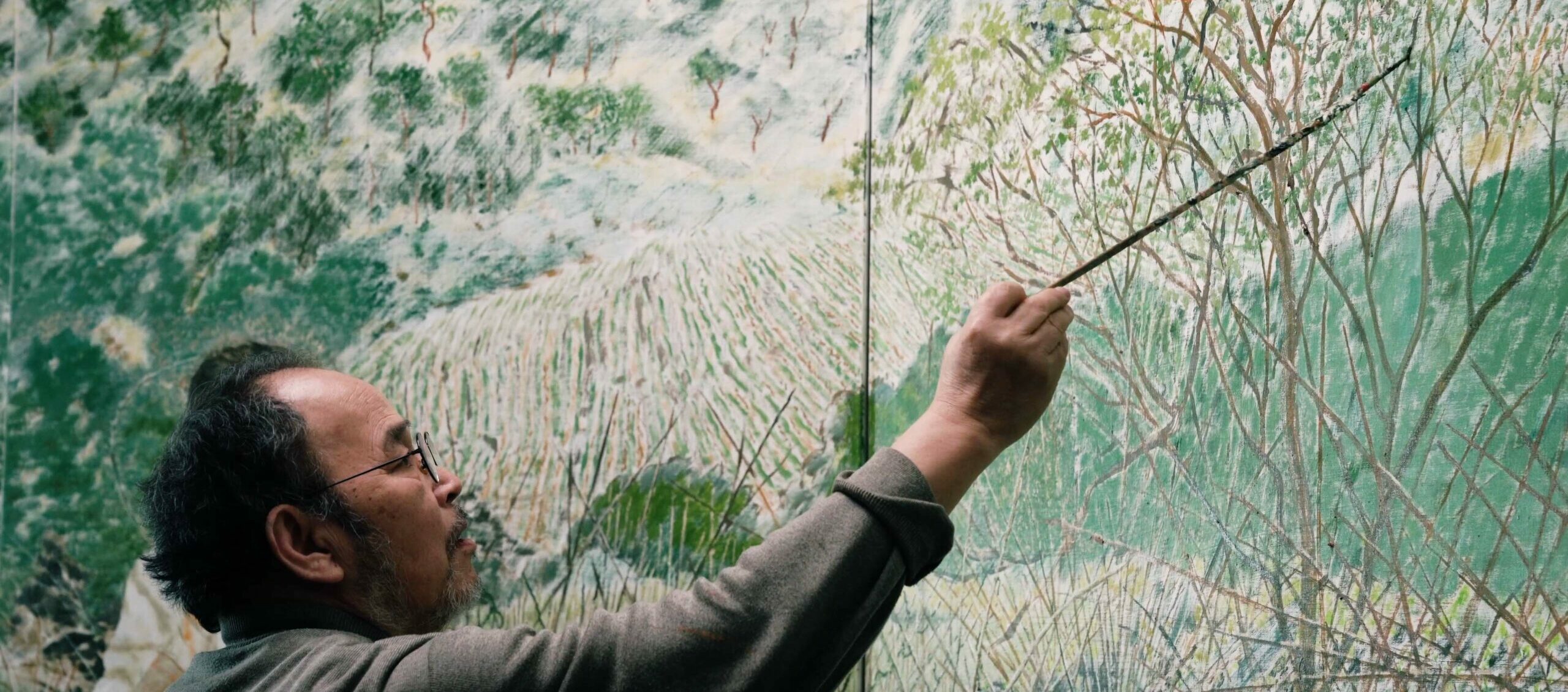
임동식 작가께서 ‘내가 들판으로 뭔가를 던지면 들판에서 내게 뭔가를 던져온다.’라는 메시지를 야투 활동을 하면서 남기셨는데요. 저는 이 한마디가 임동식 선생님의 작업 철학을 대표하는 게 아닌가 싶었습니다. 임동식 작가님은 거의 흡사 아키비스트세요. 작업실에 가면 아카이브가 정말 쌓이다 못해 이걸 어떻게 하실까 싶었는데 평창 아카이브 미술관에 모두 기증을 하셨습니다. 그래서 서울시립미술관 평창동에 있는 곳에 가시면 임동식 작가님의 아카이브를 그곳에서 관리하고 보관하고 있기 때문에 볼 수 있는데요. 그 선생님의 아카이브를 보면 젊은 시절에 진행했던 퍼포먼스, 사진, 글, 드로잉들이 방대한 자료로 남겨 있는데요. 지금은 이 자료들을 바탕으로 이렇게 그림을 그리십니다. 현재는 회화 작업을 진행하고 계시고요.

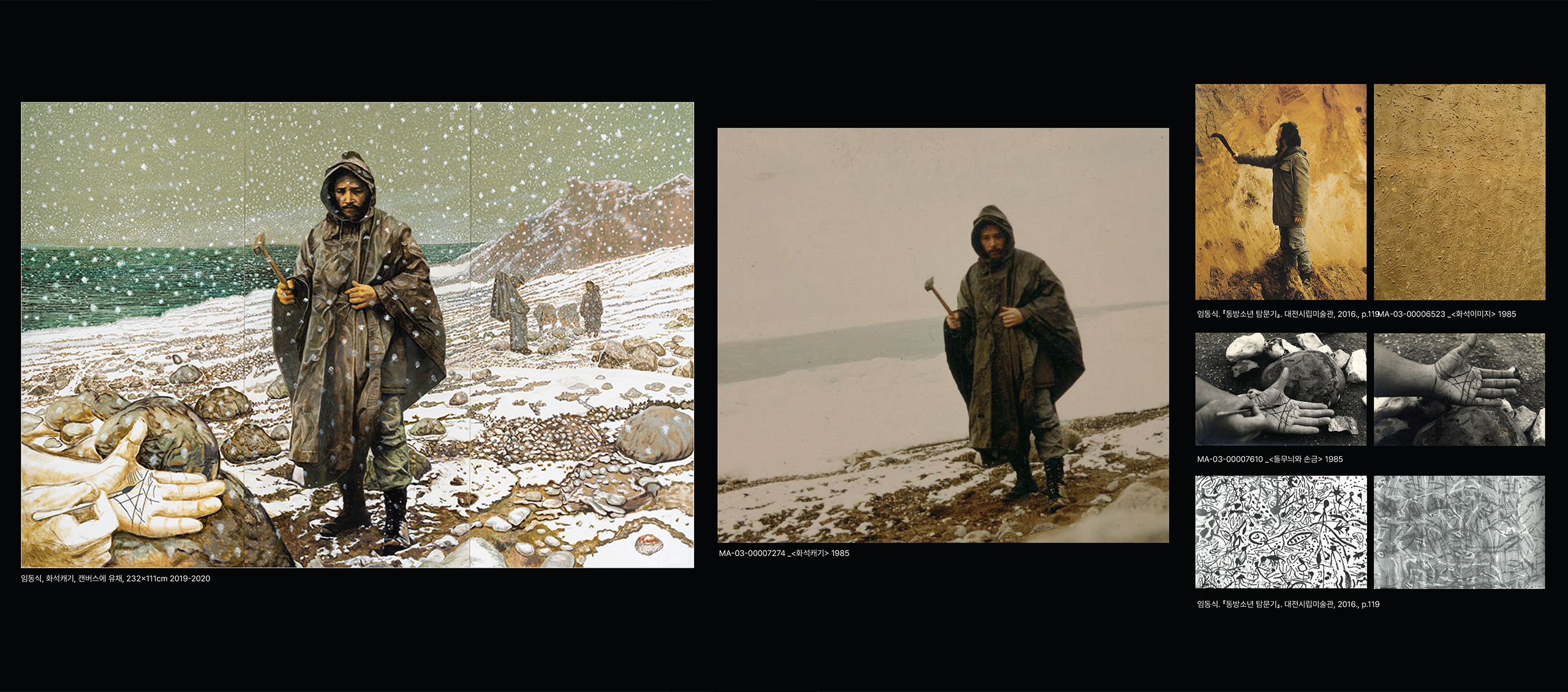
그러면 그림을 잘 그리셔서 회화 작업을 하시느냐? 아닙니다. 그림을 못 그리셨어요. 동네 친구가 “그림을 그려보면 어때?” 그 한마디로 그림을 시작하셨고요. 그러다 보니까 임동식 작가님은 세필로, 지금 보시면 저 영상의 캡처인데, 저기도 세필로 내가 눈으로 묘사한 것을 그냥 그대로 옮기듯이 그리세요. 그러면 저 그림 하나를 그릴 때 너무나 많은 시간이 들겠죠. 그런데 작가님께서는 그것도 내 작업이다라고 말씀하세요. 그러니까 그림을 그리는 그 시간도 작업이신 거예요. 그래서 저 그림을 완성할 때, 혹시 보이시는지 모르겠지만 여기 아카이브 자료들이 다 포함되어 있습니다. 저 도끼를 들고 있고, 저 손금이며 저 드로잉의 요소들이, 지금 여기로는 잘 안 보이니까 이걸로 보여드릴게요. 저기 보이시죠. 손에 손금이 있고 저 드로잉의 요소들이 있고, 그리고 처음에는 눈이 안 내렸는데 겨울이 돼서 눈을 그리고 다시 봄이 오면 다시 눈을 걷어내고 그림의 레이어가 엄청 두껍게 쌓이는 거죠.

그래서 저는 임동식 작가님을 보면서 약간 수양적인 태도까지도 느껴질 정도예요. 작가님 옆에서 작업하시는 모습을 보다 보면 저 하나의 그림에 과거와 현재, 그 시간이 레이어링된 게 느껴지거든요. 그리고 작가님께서 원골 마을에 지내시면서 그 마을에 계신 분들과 교류가 굉장히 활발하셨어요. 그래서 저기 너무 글씨가 작아서 안 보일 것 같은데 그 시골에서 만난 분이 아까 얘기했듯이 “그림을 그려봐.” 했는데 “그럴까?” 하면서 그림을 그리셨고, “이 동네에 멋있는 나무가 있는데 나무를 그려봐.” 그러면 “그럴까?” 해서 그렇게 같이 그리신 거예요. 그러다 보니까 친구분과 같이 지내는 시간이 즐거우셨는지 지금 보시면 저 네 장의 그림 안에도 또 작은 그림들이 보이시죠? 친구와 함께한 시간들을 그림으로 남기시고 그 그림을 또 모아서 두 분이 기념사진 찍듯이 하나의 그림을 또 그리고, 그러다 보니 봄, 여름, 가을, 겨울이 됐어요. 그런데 그걸 또 뭉쳐서 또 그리신 거고요. 그러니까 이게 선생님의 작업 구조가 너무 잘 보이는 작품이라 이걸 가져왔는데요. 친구와 함께 보낸 하루하루를 그림으로 그리고 이런 시간을 기록하는 것 자체가 과정이자 작업이신 거죠.

그래서 저는 임동식 작가님을 옆에서 보면서 자연과 삶, 공동체가 함께하는 방식이 작업에 그대로 드러난다고 느꼈습니다. 그리고 그림을 실제로 보면 왠지 모르게 약간 뭉클함이 있어요. 그래서 저는 임동식 작가님이 어디서 전시를 하실 때 꼭 직접 가서 그림을 보셨으면 하는 마음이 있는 게 그림을 기술로 그리신 게 아니거든요. 그림을 보면 정말 하나하나 정묘법 하듯이 그리셔서 더 그런 감동이 있는 것 같습니다.

그래서 임동식 선생님의 작업을 대하는 태도와 경험이 저는 단순히 작품을 위한 것만은 아니라고 생각합니다. 당연히 작품을 위한 것이 아니기도 하고요. 선생님의 삶 자체가 예술과 연결되어 있는 것은 선생님 곁에서 한 며칠만 지내보면 정말 동화가 될 정도로 너무 순수하신 분이시거든요. 그래서 선생님의 작업 세계를 들여다보면 AI는 말씀하신 대로 이 어마어마한 경우의 수를 제시할 수는 있지만 그것을 우아함으로 전환하는 것은 저는 창작자 개인의 경험과 태도인 것 같습니다. 내가 이 작업을 대하는 태도, 그것이 어떻게 작업으로 드러나게 하는가. 저는 임동식 선생님을 뵈면서 “아, 이건 너무 감동스럽다.”라는 생각을 했었거든요. 그래서 선생님의 우아한 연결을 그 파트를 읽었을 때 사실 제일 먼저 떠올랐던 작가 분이십니다. 생존해 계십니다. 혹시 오해하실까 봐. 지금 건강하십니다.

이수정 큐레이터:
아마 아까 AI가 나왔을 때 저희가 많이 듣는 얘기가 AI가 많은 것을 빠르게 처리한다고 하잖아요. 그런데 사실 작품 연도 같은 것도 보면 수년에 걸쳐서 그리시고 한 10년 전에 그렸던 걸 다시 완성해서 작품 제작 연도가 언젠가 보니까 15년 이렇게 되더라고요. 그렇게 제출했더니 이거 오타 아니냐고 하시는데 오타가 아니었어요. 그러니까 아마 빠르게 처리할 수 있다는 요즘 AI의 장점이 무색하게 그것과 상관없는 어떤 루트를 따르고 있는 것이 사실 예술가들이 하고 계시는 부분인 것 같다.

박주용 교수:
세상에는 정말 효율을 논해야 할 부분들도 있을 것이고 아닐 수도 있는데 효율만을 논하는 게 지금 기술 개발의 전형적인 철학이고 그러다 보니까 여기서도 보면 예를 들어서 몇 년 동안 그릴 필요가 뭐가 있어, 그냥 말만 하면 몇 초도 안 걸려서 그림을 그리잖아요. 그런데 사실은 여기서 우리가 잘 생각해 보면, 저도 이제 임동식 선생님을 이번에 처음 들으면서 말씀을 들으니까 아까 눈이 내릴 때 그걸 그리시는 심정이 어떨까요? 생각해 보면 그냥 눈을 그릴 거니까 빨리 하얗게 채워야지가 아니라 하나를 하면서 떨어지는 눈을 느끼셨을 것 같아요.

그리고 그거를 보면서 우리가 그렇게 해석하면서 “저런 느낌이 있었겠구나.”라고 하는 건데 거기에 AI는 크게 없죠. 그냥 눈 100개가 필요하면 빨리 그려줄 수 있어, 사람보다 몇 배는 빠를 거야라고 하면서 그리고 나니까 “이거 그럴듯하지 않아?” 사실은 인간은 미술에서 그런 것만 찾는 게 아니거든요.

사실은 그런 그림에 있어서 AI나 이런 쪽들이 이해하지 못하는 부분들은 여러분이 위키피디아에 가보시면 인공지능을 이용한 그림 그리기 사례가 있는데 아마 보셨는지 모르겠는데 고흐의 ‘별이 빛나는 밤’을 이용해서 모나리자를 바꿔놓은 게 있어요. 그걸 보고 어떤 느낌을 가졌는지 모르겠는데 저는 그걸 보면서 AI로 예술 기술을 연구하는 사람들은 예술에 대해서 관심이 전혀 없거나 예술은 정말 아름다워야 한다는 생각이 전혀 없구나라고 생각했고, 아주 전형적인, 아까 평균 얘기라고 말씀드렸는데, 자 보세요. 예술을 이해하지 못하는 사람들이 예술을 이용한다고 하면 어떻게 되냐면 사람들이 좋아하는 그림 중 하나는 ‘별이 빛나는 밤’이고 또 하나는 모나리자니까 두 개를 합치면 더 아름다운 게 나오겠구나라고 얘기하는 거죠. 그러면 사실은 임동식 선생님도 만약에 그러려면 전 세계에서 제일 좋아하는 고흐의 스타일을 똑같이 벗겨서 그리시면 더 되는 거였는데 왜 그게 아니었을까? 그리고 왜 반 고흐랑 모나리자를 섞은 것은 그렇게 그림 같지가 않을까라고 생각해 보면 바로 그거죠. 사실은 이런 거죠. 반 고흐가 모나리자를 그리지 않는 이유는 반 고흐는 원래 모나리자처럼 잘 차려입은 귀족 여성을 그리는 사람이 아니었어요. 자기는 하늘을 보면서도 하늘이 요동치는 걸 그리고 싶고 들판을 보면서도 그 풀들이 요동치면서 막 어우러지는 걸 그리고 싶은 거고, 그러면 반 고흐의 그림의 스타일이라고 하는 것은 자기가 표현하고 싶은 열망의 반영이에요. 나는 이런 그림을 그리고 싶으니 이런 기술을 갖겠다. 그런데 모나리자를 그린 사람은 저렇게 곱고 아름다운 여성이 있으니 곱고 아름답게 그리겠다 하기 때문에 하나를 섞는 건 그 사람의 목적이 전혀 다른 거잖아요.

그래서 예술이라고 하는 건 창작을 하는 건 항상 사람의 목적이 들어가야 되는데 사람이라고 하는 것은 언젠가 기계에게 대체될 것이고 기계보다 못할 것이다라고 생각하는 사람 입장에서는 그게 아니죠. 두 개를 합쳐서 기계를 보니까 빨리 할 수 있지, 이게 낫다라고 얘기하는 거죠.

임동식 선생님이 보여주시는 게 과연 사람이 예술을 한다는 게 무엇인지 보여주시는 예이고, 과연 그냥 빠르기만 하고 언젠가 사람보다 잘한다는 AI가 방금 임동식 선생님이 보여주셨던 그런 감동의 과정을 나타낼 수 있을지 저는 힘들다고 봐요. 그 이유는 그걸 만드는 사람들은 이런 과정을 생각하지 않고 있기 때문입니다.

Curator Yi Soojung:
The Monet works you mentioned will soon open on our first floor gallery. It might be meaningful to see them in person and reflect on what you’ve just described.

Director, you said the idea of “elegant connection” really struck you while reading the book. You also mentioned that it reminded you of a specific artist—Lim Dong-sik. Could you share that connection with us?

Director Lee MeeJee:
When I read the section on “elegant connection,” the first artist who came to mind was Lim Dong-sik. In 2020, I participated as a commissioned artist in the exhibition 《Rise Up: Lim Dong-sik》 at the Seoul Museum of Art. While producing a documentary film about him, I spent time in his studio, observing his working process and closely examining his archive.

He once said during his YATOO activities, “When I throw something into the field, the field throws something back to me.” That single sentence, to me, encapsulates his philosophy.

Lim Dong-sik is almost an archivist. His studio was overflowing with materials—performances, photographs, writings, drawings from his youth. All of these were eventually donated to the archive museum in Pyeongchang. His works today are based on that accumulated archive. He currently focuses on painting.

Was he originally a painter with exceptional technique? No. He began painting because a friend casually suggested, “Why don’t you try drawing?” From that simple suggestion, he started.

If you look at his paintings, they are rendered with extremely fine brushes. He meticulously transcribes what he sees. A single painting takes an enormous amount of time. But for him, that time itself is part of the work.

His paintings contain layers of time. Archive materials reappear within the composition—drawings, lines of a palm, earlier sketches. Sometimes he adds snow in winter, then later removes it when spring comes. The surface builds up in thick layers.

Watching him work, I sensed something almost ascetic. Past and present accumulate within a single canvas.

He lived in Wongol Village and maintained close relationships with the local community. Many paintings emerged from daily exchanges—someone suggesting he draw a tree, and he responding, “Shall I?” Over time, he documented shared moments, seasonal changes, friendships. Small drawings accumulate, then are gathered into larger compositions. Spring, summer, autumn, winter—then those cycles are layered again.

For him, recording daily life is both process and artwork.

Standing beside him, I felt that nature, life, and community are inseparable from his practice. When you see his paintings in person, there is a quiet emotional resonance. They are not technical displays. They are carefully built through time and attention.

This is why I believe that while AI can generate countless combinations, transforming those possibilities into elegance depends on the creator’s lived experience and attitude. The way one approaches the work—how one inhabits time—becomes visible in the result.

When I read about “elegant connection,” he was the first artist I thought of. And just to clarify—he is very much alive and well.

Curator Yi Soojung:
We often hear that AI processes things quickly. But when you look at the production dates of some artworks, they span years—even over a decade. Sometimes a piece begun ten years ago is completed later, and the official date reflects that long duration. That slowness seems unrelated to efficiency, which is often described as AI’s greatest strength. Perhaps artists operate along a completely different trajectory.

Professor Park Juyong:
There are certainly areas in life where efficiency matters. But the philosophy driving much technological development today prioritizes efficiency above all else.

In that framework, one might ask: Why spend years painting when a machine can generate an image in seconds?

But consider this carefully. When Lim Dong-sik paints falling snow, he is not simply filling white space efficiently. He likely experiences the falling snow in the act of painting it. When we interpret the work, we sense that lived moment. AI does not inhabit that space. It can produce one hundred snowflakes instantly and ask, “Doesn’t this look convincing?”

Yet in art, we are not seeking mere convincing resemblance.

There is an example often cited in discussions of AI-generated art: a version of Leonardo da Vinci’s Mona Lisa rendered in the style of Vincent van Gogh’s The Starry Night. Technically impressive, perhaps—but what is missing?

If one assumes that combining two famous works must produce something superior, that logic reveals a misunderstanding of art. Van Gogh did not paint like Leonardo because his artistic intention was entirely different. His brushwork reflected his desire to express movement, turbulence, emotional intensity. Leonardo, by contrast, pursued refinement and serenity.

Art is inseparable from intention. It is rooted in what the artist seeks to express. Simply merging styles because they are popular misunderstands that purpose.

If one believes humans will eventually be surpassed and rendered unnecessary, then faster synthesis appears superior. But what Lim Dong-sik demonstrates is what it means for a human being to make art.

Can an AI replicate not only the visual result but the layered process of time, intention, and lived experience that produces emotional resonance? I remain skeptical. Not because of technical limitations alone, but because the frameworks guiding AI development often do not account for those dimensions at all.

4. 문화 예술계에 미칠 영향

이수정 큐레이터:
예술에 더 많은 미래와 희망이 있는 거 아닐까요? 그런데 정말 실제로 보시면 지금 말씀하신 모든 것들이 단번에 이해가 되실 것 같아서 기회가 되시면 작가님 전시를 꼭 보시길 바랍니다. 제가 알기로는 지금 대전시립미술관 수장고에서 열리고 있는 것 같아요. 이어서 다음 질문 좀 해 보겠습니다.

어쨌든 아까 제가 말씀드린 것처럼 지금 AI 시대, AI 정부, AI로 인한 많은 이야기 때문에 사실 많은 기관들이, 특히 문화예술 기관들도 이 AI에 대해서 어떤 영향을 받아서 뭔가 해야겠다는 생각을 많이 하고 있는 것 같아요. 작년에 캐나다 국립영상위원회라고 아주 수십 년간 수많은 영상 데이터를 가지고 있는 기관의 대표님이 강연을 하신 적이 있었는데 그분이 그러시는 거예요. AI에 사활을 걸었다. 그래서 왜 그러냐라고 하니까 너무 비디오 데이터가 많은데 그 수많은 데이터를 아키비스트들이 열어보고 이 비디오가 무엇입니다라고 간단하게 메모를 하려고 해도 너무 오래 걸리고, 모든 직원들이 다 붙어서 해도 안 끝난다는 거죠. 이게 끝나야 그 비디오를 활용할 텐데 정리 작업의 시간이 너무 오래 걸리니 이거는 할 수 없는 일 같아서, 그걸 해내기 위해서 AI로 비디오 영상을 넣으면 영상의 내용을 분석하는 그런 걸 만들어서 영상을 활용할 수 있게 하겠다라고 하는 얘기를 들었었어요.

저희도 사실 그런 것, 아카이브라는 것을 다루는 기관들도 많고 또 한 사람만 해도 한 사람의 인생에도 너무 많은 자료가 지금 있고 저희들 각자도 지금 핸드폰 안에 수많은 사진 자료와 영상 자료들이 다 있을 것 같아요. 그냥 이렇게 차곡차곡 쌓여 있는 자료들이 있는데 이런 저희에게 지금은 시간과 돈을 좀 절약하게 해준다거나 뭔가 못하던 일을 할 수 있게 만들어주는 가능성이 열릴 것 같은데요. AI가 앞으로 예술 기관들의 어떤 변화를 일으킬 수 있을까, 또 아카이브의 관점에서 어떤 역량을 줄 수 있을지 어떻게 생각하시는지 먼저 교수님부터 여쭤보겠습니다.

박주용 교수:
좋은 지적 해주셨습니다. 아까 AI가 잘하는 것과 못하는 것이 있다고 했는데 사실은 데이터를 빨리 처리할 수 있다는 건 정말 장점이긴 하거든요. 그걸 잘 사용해야 되는데 특히 지금까지 사람이 보기에 느려서 시간이 너무 많이 들어서 못했던 것들을 하는 건 장점이기는 한데 거기에서 우리가 유의해야 될 것은 같은 데이터를 두고서도 AI가 이것이 가치가 있는지 판단하지는 못해요. 어떤 데이터가 가치가 있는지는 사람이 가르쳐줘야 돼요. 그래서 가르쳐주는, 좀 더 공을 들여서 가르쳐주는 시간을 더 들이고 찾는 것은 짧게 할 수 있다는 건데 그러기 위해서 아까 말씀드린 것처럼 예를 들어서 뭘 찾아야 되는데 사람의 정말 어두운 감정이 들어간 미술을 찾아주라고 할 때는 그 전에 얘한테 어두운 감정이라는 걸 모르기 때문에 그런 것을 태깅을 다 해야 되거든요. 사실 그것이 잘 된다는 가정하에서 뭔가를 빨리 찾을 수 있죠. 그렇지만 거기서도 유의해야 되는 게 그럼에도 불구하고 우리가 아직 상상하지 못한 데이터 분류법이 있기 때문에 나중에 이걸 맡겨버리면 다시 못 찾을 가능성은 있습니다.

그리고 두 번째는 과연 여기서도 분명히 사람보다 정말 나은가라는 생각은 꼭 해볼 필요가 있습니다. 가능성은 있지만 최근 연구를 보면 업무 현장에서 AI를 열심히 쓰는 군과 아닌 군을 봤을 때 같은 일을 성취하는 데 있어서 AI를 쓰는 쪽의 시간이 더 많이 들었다는 경우도 있어요. 그게 왜냐하면 분명히 유창하게 결과는 나왔는데 이걸 일일이 정말 맞는 건지 확인하다 보니까 처음에 사람의 지혜를 갖고 했던 사람보다 시간이 더 걸릴 수도 있다는 거예요. 그래서 여기서도 마찬가지로 아까 말씀드린 것처럼 데이터를 찾아내는 것, 우리가 너무 많다 보니까 일일이 넘기는 건 사람의 시간이 많이 걸리거든요. 거기에 대해서는 가능성이 있지만 그것이 정말 옳은 방향의 답을 주기 위해서 우리가 어떻게 훈련을 해야 되고 어떤 상상을 해서 데이터에 이름을 붙일 것인가, 이거는 꼭 기억해야 할 것 같습니다.

4. Impact on the Cultural and Arts Sector

Curator Yi Soojung:
Perhaps art holds more future and hope than we assume. I believe that if you see the works we mentioned earlier in person, everything we discussed will become much clearer. If you have the opportunity, I encourage you to visit the exhibition—currently, I understand it is on view at the Daejeon Museum of Art storage space.

Let me move to the next question.

As I mentioned earlier, in this era often described as the “AI age” or even the “AI government,” many institutions—particularly cultural and arts institutions—feel increasing pressure to engage with AI in some capacity.

Last year, the head of the National Film Board of Canada, which holds decades of vast video archives, gave a lecture. He explained that they had decided to commit fully to AI. The reason was simple: they possess an enormous volume of video data, and even writing brief descriptions for each item would take archivists an overwhelming amount of time. Even if every staff member worked on it, the task would not be completed. Without that organizational groundwork, the material could not be effectively used.

Their solution was to develop an AI system that analyzes video content automatically, enabling the archive to become accessible and usable.

This situation is not unique. Many institutions deal with archives. Even on a personal level, each of us carries vast amounts of data—photos and videos stored on our phones, accumulated quietly over time.

In this sense, AI appears to offer the possibility of saving time and resources, or making previously unmanageable tasks feasible. From your perspective, Professor, how might AI reshape arts institutions? And particularly from an archival standpoint, what new capacities could it provide?

Professor Park Juyong:
That is a very important point. As I mentioned earlier, AI has strengths and weaknesses. One of its clear strengths is rapid data processing. Tasks that were previously too time-consuming for humans may become manageable.

However, there is something we must be cautious about. Even when AI processes the same dataset, it cannot independently determine what is valuable. It does not inherently understand significance. Humans must teach it what counts as meaningful.

So, while AI may shorten the time needed to search or retrieve information, considerable effort must be invested beforehand in labeling, tagging, and defining categories. For example, if you ask AI to identify works that express “dark human emotions,” the system first needs to be trained on what “dark emotion” means. That requires extensive tagging and conceptual framing by humans. Only under that condition can AI retrieve results effectively.

Another issue is that AI classification systems may inadvertently limit future interpretation. If we delegate classification entirely to AI, we risk losing alternative ways of organizing or understanding the material—ways we have not yet imagined. Once data is structured in a particular way, other forms of access may become more difficult.

There is also a practical consideration: is AI always more efficient? Recent studies suggest that in some workplaces, teams that heavily relied on AI sometimes spent more time completing tasks than those who did not. Although AI produces fluent results quickly, users must carefully verify accuracy. That verification process can negate initial time savings.

Therefore, while AI holds significant potential in archival contexts—particularly for handling overwhelming quantities of data—we must remain attentive to how we train it, how we define value, and what kinds of interpretive frameworks we embed in the system. The speed of retrieval is only meaningful if guided by thoughtful human judgment.

5. 예술 영역에서 AI의 가능성과 한계에 대해

이수정 큐레이터:
AI를 활용한 사업들을 많이 구상하기도 하고 기획도 해야 되는 상황들이 많은데 지금 말씀하신 부분 잘 기억하면서 준비를 해야 될 것 같습니다.

예술 영역에서 AI를 활용해 보겠다는 의도에서 시작했던 건 아닐 수도 있지만 어쨌든 이번에 저희가 영상을 같이 만들면서 되게 많은 분들이 관심을 표현해 주셨는데 감독님이 저희 앞에 있는 영상 만드시면서 AI에 대해서 많이 생각을 하시게 된 계기이기도 하잖아요. 그 과정을 조금 실제 사례로서 얘기해 주시면 어떨까요?

이미지 감독:
그래도 제가 이 자리에 앉아 있는 이유이기도 한데요. 제가 수정 선생님께서 저한테, 저는 보통 미술관에서 저한테 작업을 의뢰하거나 영상을 의뢰할 때 항상 전시 개요를 주세요. 참 감사한 일이에요. 큐레이터 선생님들께서 뭔가 구상을 할 때 함께 항상 테이블에 앉아서 의논을 나눠주시는 기회가 잦아서 감사하게 생각하고 있고요. 이수정 선생님께서도 저한테 전시 개요를 보내주시면서 “이거 한번 봤으면 좋겠다” 해서 제가 그걸 보면서 좀 인상적이었던 게 있습니다.

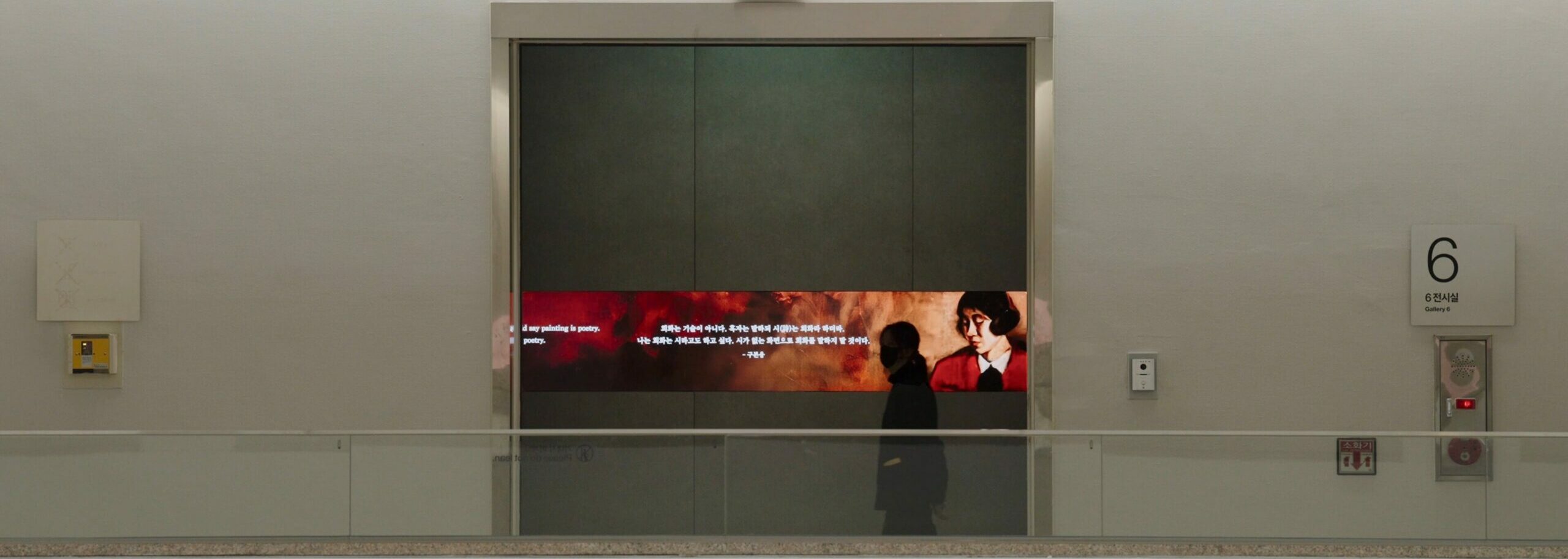
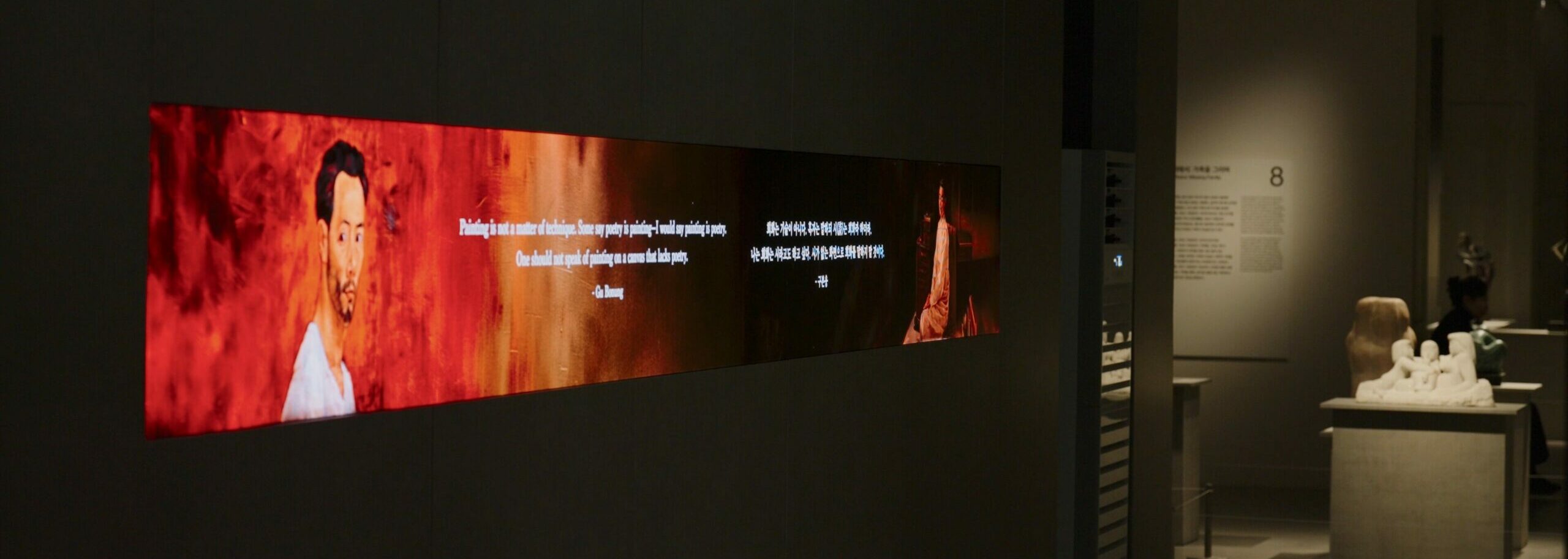
참고로 저는 저희가 3층 한국근현대미술 1전시장 입구에 상영되는 미디어 콘텐츠를 제작했는데요. 그 전시 개요 중에 제가 핵심적으로 캐치했던 것은,

‘근대 미술가들의 작품을 동시대의 다양한 창작자의 시선으로 바라보고 해석한다. 근대 예술가의 삶에 대한 고찰을 통해 지금도 유효한 창작자의 고민을 발견한다. 감상을 통해 시대를 초월한 예술적 공감대를 찾고자 한다. 다채로운 감상법을 제안하고자 한다.’

그러니까 전시 개요의 여러 페이지 중에 이런 문장들이 저한테는 하이라이트가 쳐진 것처럼 보이는 거죠. 저는 이 전시가 창작자와 감상자를 연결한다는 느낌을 사실 강하게 받았었어요. 보통 이런 고전 혹은 근대 전시 작품들을 이렇게 큰 규모로 하는 경우가 드물거든요. 게다가 2년 가까이 하는 전시이다 보니까 이 전시의 취지를 알고 나서 더 공감이 됐었고요.

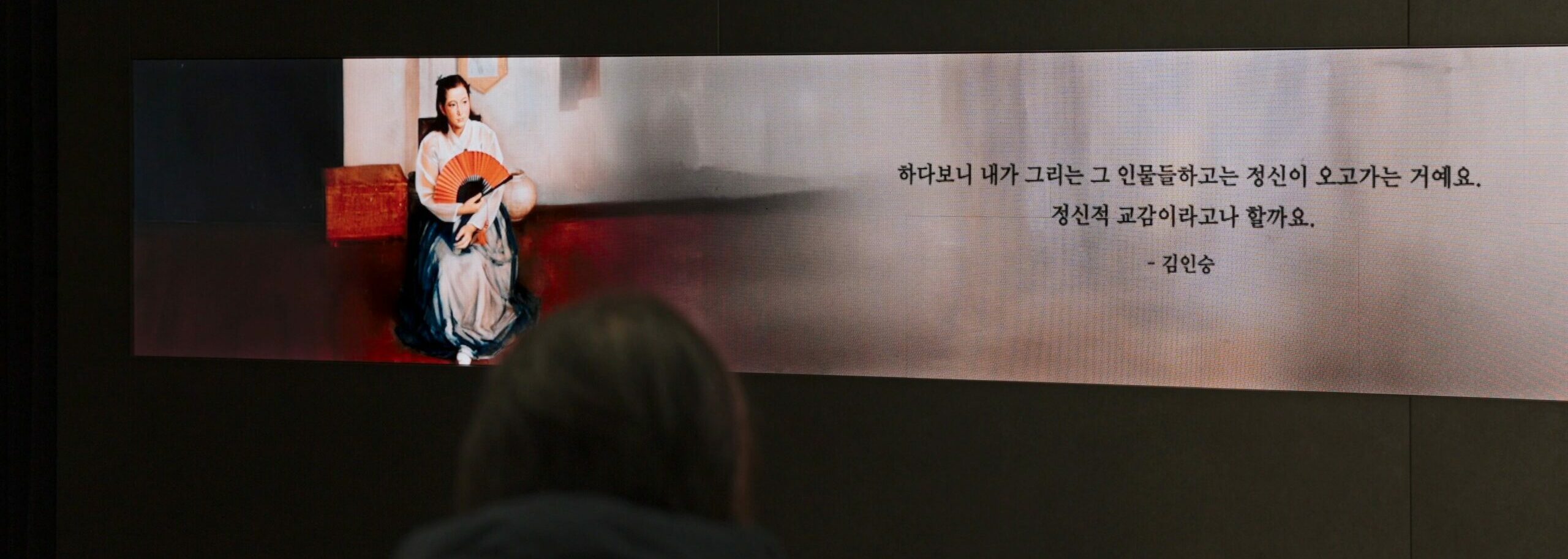
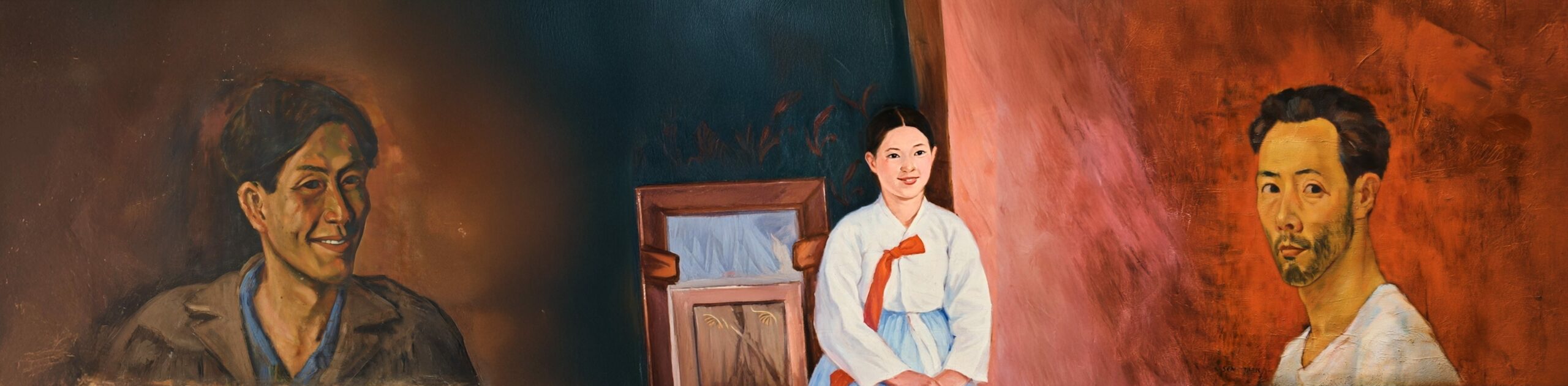
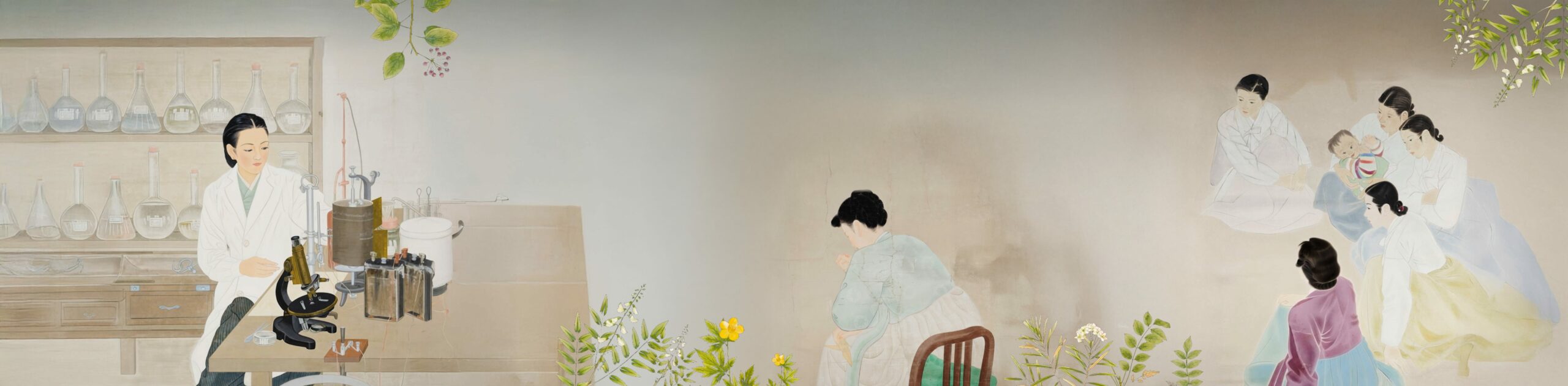
그리고 저한테 할당받은 영역이 있습니다. 전시장 입구에, 이건 제가 디자인하는 게 아니고 저한테 미션이 와요. 전시장 입구에 긴 벽면 가로형의 미디어 패널이 있는데 여기에 콘텐츠를 제작했으면 좋겠다라고 저한테 미션이 넘어온 거죠. 그래서 저는 전시 취지를 이해하고 저한테 부여받은 공간을 보면서 이게 굉장히 창 같다는 생각을 했어요. 저는 진짜 입구, 그 수많은 작품을 들어가기 위한 딱 그 인트로였고 또 관객의 시선이 그 벽을 스치면서 작품을 보러 들어가야 되거든요. 그래서 이거 괜찮다, 재밌다라는 생각으로 저는 이걸 어떻게 해석했냐면 ‘시선이 머무는 창’으로 해석을 했어요. 근대 미술 속의 인물들이, 작품 속 인물들이 시간을 넘어 관객을 응시한다, 이런 걸 한번 해볼까? 그리고 감정적 거리에서 시공간의 간극을 좁히는, 그래서 뭔가 응시와 기다림, 관객을 기다리고 있다, 그 안의 작품들이 그런 느낌을 주고 싶다는 생각으로 ‘시선이 머무는 창’이라는 콘셉트로 영상을 연출해봤습니다.

그래서 여기서 중요했던 것은 원본 작품이 가진 고유한 정서와 시대적 맥락을 해치지 않으려고 노력한 점입니다. 이 프로젝트에서 저에게 부여된 미션은 창작자와 감상자의 연결이지 저의 해석을 자의적으로 드러내는 것이 아니었거든요. 그래서 오히려 그런 부분에 대한 욕심보다는 원본이 가지고 있는 고유한 정서를 좀 더 감상자들에게 친근하게 표현하는 방식으로 AI를 활용해야겠다는 게 저의 첫 출발점이었고요.

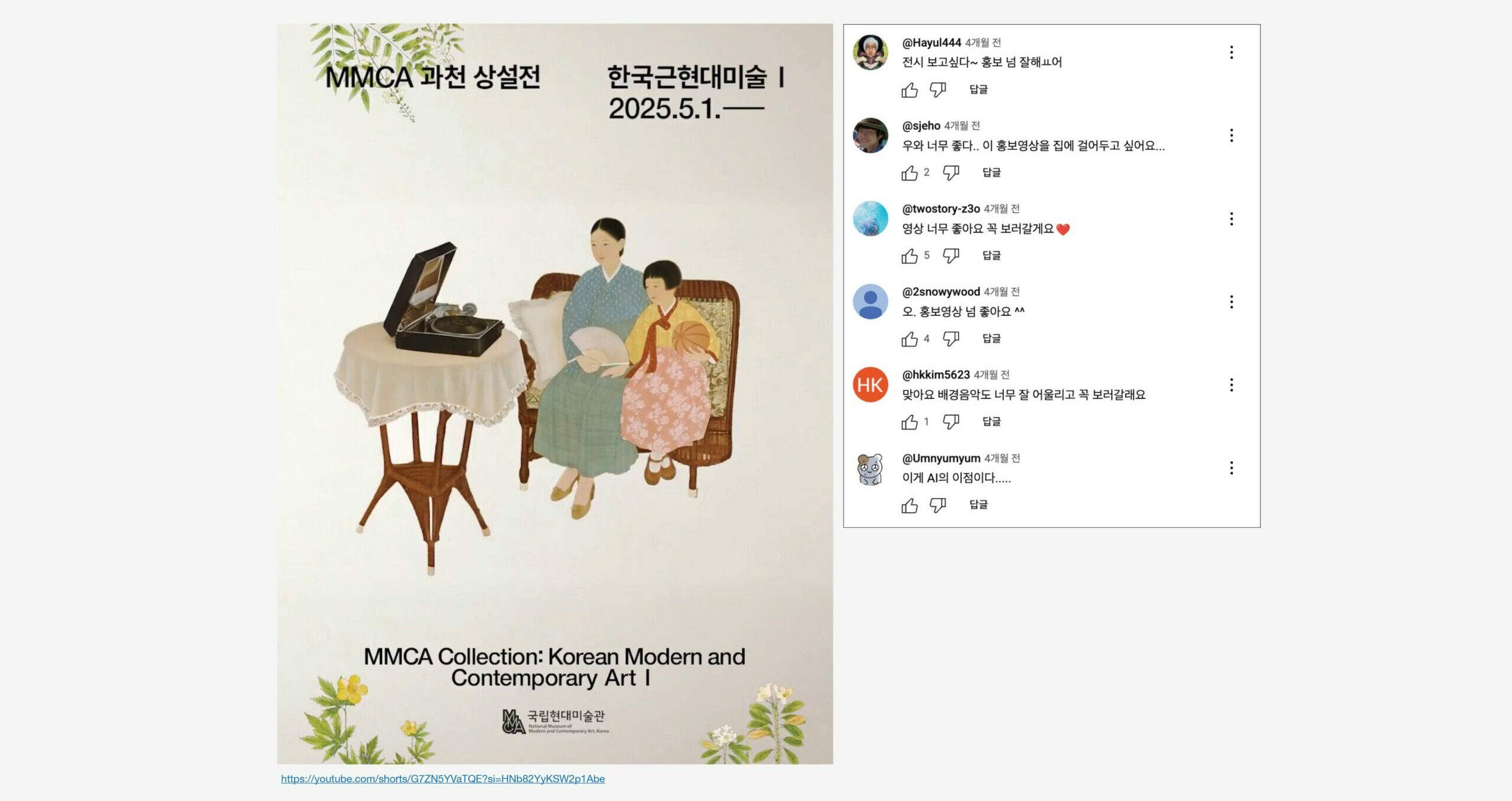
예를 들어서 축음기를 듣고 있는 엄마와 아이 그림을 AI로 변환하면, 여기 아마 AI 써보신 분들 많을 거예요, 저 이미지 넣어서 프롬프트 돌리면 갑자기 엄마가 벌떡 일어선다든지 아이가 갑자기 빙글빙글 춤춘다든지 정말 너무 화려하게 변환해 버리잖아요. 그런데 저는 오히려 그걸 더 억제시키는 프롬프트를 계속 넣은 거죠. 그래서 감상자로 하여금 우리가 예상 가능한, 예를 들어 축음기는 돌아가고 엄마는 손에 든 부채로 바람을 쐬고 아이는 땅에 발이 닿지 않고 있으니 애들은 발을 대롱대롱할 것 같은 그런 정도, 엄마를 바라보거나 기대는 정도, 그러니까 감상자가 원본의 아우라를 상상할 수 있을 때까지만 AI를 쓰는 그런 억제의 프롬프트를 쓰면서 모션화를 한 겁니다.

그래서 저한테는, 저에게 부여된 미션에서는 분명히 다들 AI를 쓴 건 알겠지만 저거 AI 잘 썼네라기보다는 그림이 먼저 보이게 하고 싶었습니다. 작품을 먼저 보고 그다음에 신기하네, 이런 선후의 감상의 포인트를 그렇게 가져가고 싶었는데요. 이게 지금 SNS에 올라와 있거든요. 그런데 제가 댓글 좋은 것만 캡처한 거 아닙니다. 그대로 캡처한 겁니다. 댓글이 몇 개 없지만 그대로 캡처해 왔습니다. 그런데 관객들도 그걸 느끼신 거예요. 보시면 “이게 AI의 이점이다.”라고 마지막에 글을 쓰신 게 뭐냐면, 정도껏 쓰라는 거죠. AI를 쓸 때 불쾌감을 주지 않는 선에서 AI를 쓰는 이 사례를 이점이다라고 표현하는 걸 저는 보면서 관객들 역시 작업자가 AI를 사용하려는 의도를 파악하고 있다는 걸 느꼈고 대중들이 AI를 이해하는 감도가 꽤 높구나라는 걸 전시장에서는 저는 볼 수 없잖아요. 그런데 이렇게 SNS에 올라간 것에 달린 댓글들을 보고 생각보다 대중들의 AI 감도가 많이 높다는 생각을 했습니다.

그런데 한계가 있습니다. 이건 저는 여전히 아직 해결을 못한 것 같은데요. 특히 이중섭 작가의 인간 형태를 추상화한 것은 AI가 이해를 못합니다. 저 형태를 유사한 것으로 파악해서 자꾸 나무통으로 변환시키더라고요. 나무통이 움직이는 식으로요. 그러니까 AI가 생각했을 때 저건 사람의 형태가 아닌 거죠. 그리고 당시 한국의 시대상과 문화에 대한 데이터 학습이 없다 보니까 이들의 작업을 단순히 이미지, 형태, 색, 구성으로만 분석하는 게 지금 AI의 근본적인 한계라고 느꼈습니다.

요즘 정부에서도 AI를 활성화하는 이유 중 하나가 우리만의 AI를 만들어야 된다고 얘기를 하잖아요. 한국의 문화와 시대상을 학습한 AI가 필요하다, 저는 이것에 대해서 큰 공감을 느낍니다. 제가 작업하면서도 느끼거든요. 요즘 가장 많이 쓰는 세 개의 이미지 생성 AI 혹은 동영상 생성 AI에 “한국 여성을 그려줘”라고 하면 그 세 개의 AI가 각기 다른 스타일의 여성을 만들어냅니다. 그런데 이게 제가 엔터 업계 세미나에서 들었던 재밌는 얘기였는데 엔터 업계는 지금 버추얼 휴먼, 가상 인간에 엄청난 돈을 쏟아붓고 있거든요. 실제로 성과도 내고 있고요. 그런데 개발자의 스타일이 느껴진다는 거예요. 아시아 여성에 대한 이미지 스타일이 그 AI를 만든 플랫폼에 따라서 다르다는 거죠. 그래서 그 플랫폼에 맞는 스타일을 프롬프트로 넣어서 더 강화시킨다는 거예요.

결국 AI도 사람이 만들고 있잖아요. 시작은 데이터를 기반으로 확장되면서 사람 손이 닿지 않는다 하더라도 학습하는 데이터의 문화라는 게 저는 생길 것 같다는 생각이 듭니다. 그걸 문화라고 표현할 수 있을지는 모르겠지만요. 어쨌든 저는 우리 문화와 시대성을 학습하는 AI가 나와야 된다고 생각합니다. 결국 작품이 담고 있는 것은 역사적 맥락과 문화적 배경을 이해해야지만 우리가 온전히 감상할 수 있는 거잖아요. 그것의 출발은 작가 개인의 경험이기도 하고요. 그런 걸 이해하지 못한다면 AI는 표면적인 시각적 요소만 처리하는 도구가 될 수밖에 없기 때문에 아직까지는 이 부분에서 분명한 한계를 가지고 있다고 생각합니다.

이수정 큐레이터:
비슷하게 지난번 다른 세미나에서 한 캐나다 여성 감독님께서 하신 말씀이 본인이 AI에다가 “중년 여성의 이미지를 그려줘”라고 넣었대요. 본인의 생각에 요즘 중년은 아주 할머니처럼 보이지 않는다고 생각했는데 AI에서 나온 이미지는 할머니 같은 사람이 나왔다는 거예요. 요즘 주변의 중년 여성은 그렇지 않은데 그렇게 나왔고, 두 번째는 “수술대에 누워 있는 여성의 이미지를 그려줘”라고 했더니 그 여성이 옷을 가볍게 입고, 아주 덜 입은 젊은 아시아 여성으로 나왔다는 거예요. 그래서 본인이 그걸 보고 이 이미지를 만든 사람들의 머릿속에 있는 병원 속 여성의 이미지가 조금 특정하게 설정되어 있었다라고 얘기를 하셨던 것 같아요. 바이어스된 부분이 있을 수밖에 없다, AI 자체도 편견을 갖고 있는 부분이 드러나는 것 같다는 얘기를 하셨던 것 같아요.

박주용 교수:
좋은 말씀 해주셨는데 사실은 아까 맥락을 얘기하셨죠. 의도를 얘기하셨잖아요. 사실 그런 것들이 없으면 평균을 내는 건데 예를 들어 우리가 인구가 5천만이니까 5천만 명이 데이터를 넣었다고 하죠. 5천만 명의 평균이 저랑 같아야 될 이유가 전혀 없잖아요. 저는 남들과 다를 수도 있고요. 그러니까 제 의도를 계속 가르쳐 줘야 되는데 사실 데이터가 많아질수록 그것도 챌린지가 되긴 돼요. 자꾸 나보다 멀어질 수도 있거든요. 어떻게 보면 한국인의 전형적인 것을 찾아내긴 하지만 전형적이라는 게 누구하고도 안 닮을 수도 있는 위험이 존재하거든요.

그래서 아까 말씀하셨을 때 누군가는 아이를 화려하게 춤추게 하는 걸 원할 수 있지만 감독님 의도는 정반대였잖아요. 그래서 약간 씨름한다는 느낌도 가지셨을 것 같아요. 생각보다 내 마음을 몰라준다라는 거죠. 그래서 그런 고민은 계속 있을 거고 아마 시대가 지나도 한국 사람을 완벽하게 이해하는 AI가 나올 수는 없을 겁니다. 우리는 다 다르니까요. 그런 점은 계속 생각해 봐야 될 것 같습니다.

5. On the Possibilities and Limits of AI in the Arts

Curator Yi Soojung:
We often find ourselves planning or proposing projects that involve AI, so I think we need to keep your earlier remarks carefully in mind.

Although the intention may not have been to “use AI” from the outset, the video we created together drew considerable public attention. Director, this project seems to have been a turning point for you in thinking more deeply about AI. Could you share that process as a concrete example?

Director Lee MeeJee:
This project is, in a way, why I am sitting here today.

When curators commission a video, they usually provide the exhibition overview. I am always grateful for that, especially because I often have the opportunity to sit at the same table and discuss ideas during the conceptual phase. Curator Yi also shared the exhibition overview with me, and certain lines immediately stood out.

For reference, I produced the media content shown at the entrance of the 3rd floor exhibition hall for Korean Modern and Contemporary Art I at the MMCA Gwacheon. Among many pages of text, these lines felt highlighted to me:

“To reinterpret modern artists’ works through the perspectives of contemporary creators.”

“To reflect on the lives of modern artists and discover questions that remain valid for creators today.”

“To seek artistic resonance that transcends time through appreciation.”

“To propose diverse modes of viewing.”

Reading this, I felt strongly that the exhibition sought to connect creators and viewers. Large-scale exhibitions of modern or classical works are not so common, and this one runs for nearly two years. That extended duration made the curatorial intent feel even more meaningful.

My assigned site was a long horizontal media panel at the entrance—this is not something I design myself; it is a mission given to me. Standing before that long wall, I felt it resembled a window. It is the threshold viewers pass before encountering the artworks.

So I interpreted it as “a window where gazes linger.” I imagined figures within modern artworks gazing across time toward the viewer. I wanted to create a sense of waiting and mutual observation—a narrowing of emotional and temporal distance. That became the conceptual direction.

The most important principle was to preserve the original aura and historical context of the works. My mission was not to impose my interpretation, but to strengthen the connection between artwork and viewer. Therefore, I approached AI as a tool for subtle mediation rather than transformation.

For example, if you input an image of a mother and child listening to a gramophone into an AI system, it may generate exaggerated movement—the mother suddenly standing, the child spinning energetically. But I repeatedly refined my prompts to restrain such excess.

I wanted only what felt plausible within the painting’s world: the gramophone turning gently, the mother fanning herself slightly, the child’s legs lightly swinging. I aimed for motion that remained within the imaginative horizon already suggested by the original work.

For me, it was important that viewers see the painting first—not think, “AI was used cleverly.” The artwork should come first; the technical mediation should be secondary.

Interestingly, comments on social media reflected this. One viewer wrote that the advantage of AI lies in using it “in moderation”—without causing discomfort. That response made me realize that audiences are perceptive; they sense the creator’s intention. Public literacy regarding AI is higher than we may assume.

However, there are limitations.

For example, Lee Jung-seop’s abstracted human forms were often misinterpreted by AI. It sometimes rendered them as wooden barrels in motion. The system failed to recognize the human abstraction. This reveals a fundamental limitation: AI processes image, form, and composition statistically, but lacks deep contextual knowledge of Korea’s historical and cultural background.

When we speak of developing “our own AI” that learns Korean cultural context, I deeply sympathize. Even in my work, I noticed that if I ask three major generative AI platforms to “draw a Korean woman,” each produces a different archetype. Developers’ cultural assumptions are embedded in the system.

AI is created by humans. Even if it expands autonomously through data, the cultural bias of its training corpus inevitably shapes its outputs. If AI does not understand the historical and cultural context embedded in artworks, it remains limited to surface-level visual manipulation.

Curator Yi Soojung:
In another seminar, a Canadian director shared something similar. She asked AI to “draw a middle-aged woman.” The result resembled an elderly grandmother—contrary to her lived perception of contemporary middle age. When she requested “a woman lying on an operating table,” the AI generated a lightly dressed young Asian woman. She realized that the developers’ implicit assumptions shaped the output. Bias is unavoidable.

Professor Park Juyong:
That example is very telling. Earlier, we discussed intention and context. Without them, AI produces averages.

Imagine a population of fifty million contributing data. There is no reason for the statistical average to resemble any particular individual. The more data you add, paradoxically, the more distant the output may become from personal intention.

So even if AI identifies something “typically Korean,” that typicality may resemble no real person. It becomes abstracted generalization.

In your case, Director, you wrestled with the system because it did not fully grasp your intention. You wanted restraint; it defaulted to spectacle. That tension will likely persist. Even if AI improves, it will never perfectly understand every Korean individual—because individuals are irreducibly different.

The question, then, is not whether AI can approximate cultural norms, but how we, as creators, continue to assert intention, context, and lived specificity within and against those averages.

이수정 큐레이터:
오늘 제목 중에서 강의 중에 교수님이 말씀하신 ‘우아한 연결’이라는 이야기를 저희가 나눴었는데 오늘 이 자리도 저희가 서로 다른 분야에 있는 사람들이고 다른 배경을 가진 사람들이지만 이 자리에서 좀 재미있는 생각들을 가져가실 수 있는 그런 우아한 연결의 자리가 되었으면 좋겠습니다. 조심히 올라가시고요. 전시 보실 수 있으니까 시간 되시는 분들은 3층에 올라가서 전시와 영상을 보시기 바랍니다. 마지막으로 인사 한 번 해주시겠습니까?

이미지 감독:
이렇게 멀리까지 와주시고 토크도 이렇게 긴 시간 들어주셔서 감사합니다. 저희 오며 가며 또 뵐 수 있었으면 좋겠습니다.

박주용 교수:
마지막으로 제가 한 가지 말씀드리면 미술하시는 분들은 아실 거예요. 그런데 보통 사람들에게 물어보면 피카소는 되게 옛날 사람이거든요. 피카소는 컴퓨터를 쓰고 돌아가셨어요. 그에 대해서 뭐라고 말씀하셨냐면 “컴퓨터는 쓸모가 없다. 왜냐하면 대답만 해줄 줄 알기 때문이다.” 사람이 만드는 그림이나 어떤 도구를 사용하든 내가 하고 싶은 것, 나는 이걸 표현하기 위해서 어떻게 해야 되는가를 고민하는 게 정말 중요한 건데 컴퓨터는 가만히 있기만 하더라는 거예요. 그런 의미에서 컴퓨터가 사람을 대체할 수 없다는 것은 이미 80년대에 피카소도 알고 계셨습니다.

앞으로 보실 때 계속 AI에 대한 이야기도 많아질 텐데 그때 항상 우리는 이미 답을 알고 있다는 걸 기억하시면, 인간성에 충실하면 더 많은 걸 인간이 할 수 있다고 생각하시면 좋을 것 같습니다. 감사합니다.

Curator Yi Soojung:
Today we spoke about what Professor Park called an “elegant connection.” Although we come from different fields and backgrounds, I hope this gathering itself has become a small example of such a connection—one that leaves you with new and perhaps unexpected thoughts.

Please travel home safely. If you have time, I encourage you to visit the third floor to experience the exhibition and the media work together. May I invite our speakers to share a final word?

Director Lee MeeJee:
Thank you for coming all the way here and for listening so attentively throughout this long conversation. I hope we can cross paths again, here or elsewhere.

Professor Park Juyong:
I will leave you with one thought.

Many of you in the arts may already know this, but when you ask people outside the field, they often imagine Picasso as belonging to a distant past. In fact, Pablo Picasso lived long enough to use a computer. And when asked about it, he once remarked, “Computers are useless. They can only give you answers.”

What he meant, I think, is that whether one paints or uses any tool, what matters is the question: What do I want to express, and how should I express it? The tool itself does not determine that.

In that sense, the idea that computers might replace humans is not new. Even in the 1980s, Picasso already understood that the essence of creation lies elsewhere.

As conversations about AI continue to grow louder, I hope we remember that we already know the answer. If we remain attentive to our humanity, there will always be things only humans can do.

Thank you.